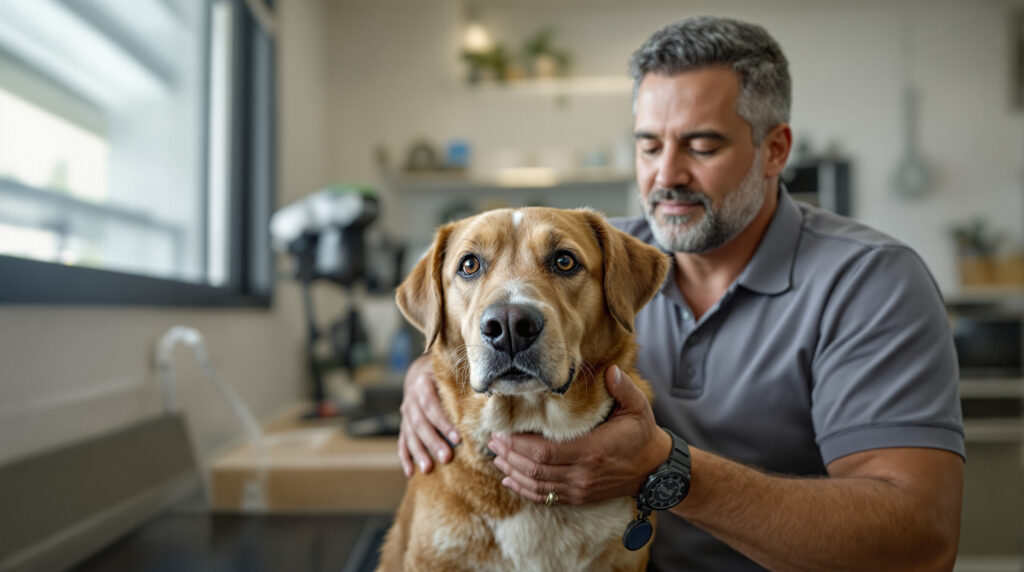
Pet transportation San Diego requires more than throwing your dog or cat in a carrier and driving across the border. Moving your pet internationally means navigating USDA regulations, Mexican customs rules, health documentation, and stress management for your animal. CBX Pet Care specializes in exactly this work, coordinating every detail so your pet arrives safe, on time, and legally compliant.
This guide covers what happens before, during, and after a cross-border pet move, real costs in the San Diego–Tijuana corridor, and how to avoid common mistakes that delay transport or create border-crossing problems.
The San Diego–Tijuana border is the busiest land border in the world. Pet owners moving across it often assume they can handle transport themselves, but USDA-APHIS (Animal and Plant Health Inspection Service) and Mexican agricultural authorities enforce strict rules that private owners rarely understand fully.
A health certificate signed by a licensed veterinarian is non-negotiable. A microchip must be registered with a searchable database. Vaccination records must include specific dates and lot numbers. If even one detail is missing or incorrect, customs officers can refuse entry and send your pet back, creating weeks of delays and thousands in emergency boarding or reverse transport.
Pet transport services like CBX Pet Care own the liability insurance, maintain relationships with border inspectors, and know which veterinarians can issue USDA-compliant certificates on short notice. For most San Diego pet owners moving to Tijuana or mainland Mexico, this professional coordination saves stress, money, and time.
Before your pet steps foot across the border, paperwork must be in order. The U.S. has one set of rules; Mexico has another. Both must be satisfied.
The health certificate is the lynchpin. Your San Diego veterinarian must complete a USDA Form 7001 (or equivalent for Mexico), sign it, and seal it in an envelope with their official stamp. Faxed or digital copies are not accepted at the border, you need the original document.
If your pet is traveling by air (San Diego to Mexico City, for example), airlines add their own requirements: specific crate dimensions, health documents dated within 10 days of departure, and sometimes a acclimation letter from your vet certifying the animal is fit to fly.
Most San Diego pet owners moving to Tijuana, Ensenada, or Rosarito use ground transport, it’s faster, cheaper, and less stressful for the animal. Cross-border air transport is reserved for moves to Mexico City, Guadalajara, or other distant destinations.
| Transport Method | Cost Range | Duration | Best For | Stress Level (Pet) |
|---|---|---|---|---|
| Ground (San Diego to Tijuana / Ensenada) | $300–$500 | 1–3 hours | Border-region moves; nearby cities | Low–Moderate |
| Ground (San Diego to Mexico City) | $600–$900 | 24+ hours | Long-distance moves requiring stops | Moderate–High |
| Air (San Diego to Mexico City or other major cities) | $700–$1,500 | 2–3 hours flight + 4–6 hours total door-to-door | Premium option; fastest service | High (air travel stresses most animals) |
| Commercial Pet Relocation (international movers) | $1,200–$3,000+ | 3–7 days | Household moves; multiple pets | Variable |
Ground transport between San Diego and Tijuana is the most common and cost-effective option. A licensed driver picks up your pet from your home in neighborhoods like South Park, Ocean Beach, or Chula Vista, drives across at the San Ysidro or Otay Mesa port of entry during off-peak hours, clears Mexican customs with your pre-approved documents, and delivers your pet to your destination address in Tijuana.
The entire process typically takes 2–4 hours door-to-door. Your pet travels in a climate-controlled vehicle with water and familiar bedding. Professional services include real-time GPS tracking so you can monitor the journey.
Air transport costs more but becomes necessary for moves to inland Mexico. However, most vets advise against flying pets unless the distance is over 500 miles, the stress of air travel can trigger health issues in senior dogs, brachycephalic breeds (like Bulldogs or Pugs), or cats with anxiety disorders.
Understanding the customs process reduces anxiety and helps you avoid last-minute document scrambles.
Step 1: Pre-Arrival Coordination
CBX Pet Care (or your chosen service) contacts the port of entry 24–48 hours before transport to notify Mexican agricultural inspectors of an incoming pet. This prevents long delays at the border and flags any missing documents ahead of time. Your vet’s health certificate is uploaded to SENASICA’s system when applicable.
Step 2: Arrival at Port of Entry
Your pet and transport driver arrive at the San Ysidro (busiest), Otay Mesa, or another designated crossing. The driver presents your original health certificate, vaccination proof, and import permit to Mexican customs. U.S. Customs also scans the documents to confirm you’re not removing a stolen animal. This typically takes 10–30 minutes.
Step 3: Animal Inspection
A Mexican agricultural inspector visually examines your pet for signs of illness or injury. They verify the microchip number matches the paperwork. If your pet is calm and documents are in order, this is a formality lasting 5 minutes. If documents are incomplete or the animal appears ill, inspection can delay crossing by 2–4 hours.
Step 4: Clearance and Delivery
Once cleared, the driver continues to your Tijuana or Mexico-bound destination. Total time from pickup to final delivery is usually 3–5 hours for Tijuana deliveries, assuming no document issues.
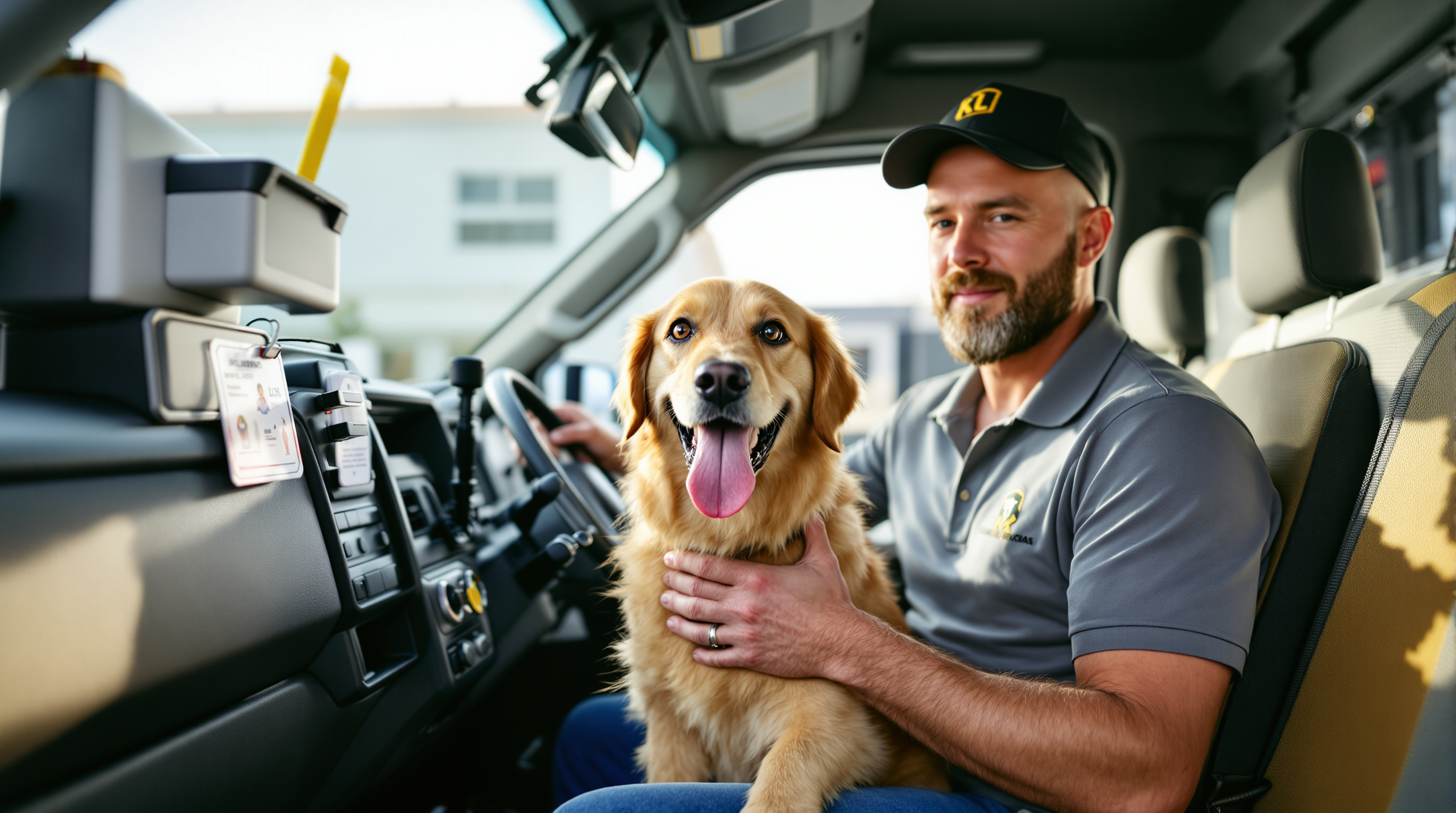
Understanding where your money goes helps you choose a provider and avoid surprise fees.
Cost Range
Health Certificate (from San Diego vet)
$50–$150
Microchip & Registration (if new)
$25–$75
SENASICA Import Permit (Mexico)
$30–$60
Ground Transport (San Diego to Tijuana)
$200–$350
Pet Concierge Coordination & Insurance
$100–$200
TOTAL ESTIMATE
$405–$835
Most San Diego pet owners budget $500–$700 for a straightforward Tijuana relocation. Prices increase if your pet requires additional vet exams, travel by air, or delivery to a remote destination outside major cities.
Some owners attempt DIY border crossing to save money, but mistakes, like outdated vaccination records or incomplete health certificates, can cost $200–$500 in emergency vet fees or recertification. Professional coordination often pays for itself.
Not all pet transport services understand the San Diego–Mexico border. Many are general pet sitters who’ve never cleared Mexican customs. Verify these credentials before booking:
CBX Pet Care operates bonded transport staff across the San Diego–Tijuana corridor and maintains relationships with USDA-accredited vets in South Bay neighborhoods and central San Diego. We handle document prep, coordinate with customs, and manage the entire crossing so you don’t have to.
Learning from others’ errors can save your move:
Mistake #1: Expired or Incomplete Vaccination Records
Mexico doesn’t accept rabies vaccines older than 1 year from most sources (some newer vaccines allow 3 years, but inspectors are conservative). If your pet’s last rabies shot was over 12 months ago, schedule a booster at least 3 weeks before travel. Many San Diego vets are booked solid during summer, don’t wait.
Mistake #2: Missing Microchip Registration
Your pet may have a microchip, but if it’s not registered with an international database (like AKC Reunite or HomeAgain), Mexican customs won’t accept it as proof of identity. Spend 5 minutes registering online; it costs nothing and could save your move.
Mistake #3: Transporting Without a Health Certificate
Some owners think a vet visit note or vaccination receipt suffices. It doesn’t. Only a USDA Form 7001 or official health certificate, signed and sealed by a licensed vet, is legally acceptable. Get the actual document.
Mistake #4: Choosing the Wrong Border Crossing
San Ysidro is busiest but has dedicated agricultural inspection lanes for pets. Otay Mesa is faster during peak hours but has fewer inspectors. A professional service knows which crossing clears fastest on your travel day.
Mistake #5: Not Acclimating Your Pet to the Crate or Vehicle
Even a 3-hour ride stresses an anxious pet. Let your dog or cat ride in the transport crate a few times before the actual move. Pack familiar bedding, a favorite toy, and treats. Ask the transport provider about calming options (like synthetic pheromone sprays) if your pet is high-anxiety.
Let CBX Pet Care handle the logistics, documents, and customs coordination. We’re bonded, experienced, and based right here in San Diego.
A structured timeline prevents last-minute scrambles and ensures all documents are ready.
Week 1–2 Before Move: Contact your vet to schedule a health certificate appointment. Provide your exact travel date so the vet knows when to issue the certificate (it’s only valid for 30 days). Reserve a transport service and ask them to confirm any missing documents.
Week 2–3 Before Move: Confirm rabies vaccination dates and booster shots if needed. Register or update your pet’s microchip with an international database. Request any vaccination records from previous vets. Download and complete the Mexican import permit application.
1 Week Before Move: Pick up original, sealed health certificate from your vet. Confirm crate dimensions with your transport provider (if flying). Schedule a final wellness check if your pet has any underlying conditions that might affect travel.
3–5 Days Before Move: Notify your transport service of your final destination address in Mexico. Provide a contact person there to receive your pet. Arrange water bowls, food, and familiar bedding to be at the delivery address. Give your pet a practice ride in the transport crate or vehicle.
Day of Move: Keep your pet calm. Avoid feeding a large meal 2–3 hours before pickup (motion sickness is common). Pack any medications or special dietary needs with clear written instructions. Stay available by phone during transport for questions.
We’ve successfully coordinated hundreds of border crossings across the San Diego–Tijuana corridor and beyond. Our cross-border pet transportation guide covers additional logistics for longer moves.
Arriving at your destination is not the end of the process. Your pet has experienced a stressful journey and new surroundings. Plan for a smooth transition.
Set up a quiet room with food, water, litter box (for cats), and familiar toys before your pet arrives. Let them decompress for 24–48 hours before exposing them to busy areas, new pets, or children. Keep routines as similar as possible to your San Diego home, same feeding times, same walking schedule.
If your pet was transported to Tijuana, locate a local veterinarian and schedule a checkup within 1–2 weeks. Mexican vets are generally affordable (spay/neuter and dental work cost 40–60% less than San Diego), but you want to establish a relationship with a trusted clinic. Our guide to finding veterinary care in Tijuana includes recommendations for neighborhoods from Zona Rio to Playas de Tijuana.
Watch for signs of travel stress: loss of appetite, diarrhea, excessive vomiting, or behavioral changes. Most pets settle within 3–5 days. If symptoms persist, contact your new vet.
CBX Pet Care is bonded, insured, and licensed for cross-border pet relocation. We’ve cleared hundreds of pets through San Diego–Tijuana customs and know every document requirement, trick, and deadline.
Call us today for a free, no-obligation consultation. We’ll review your move timeline, estimate costs, and answer questions about your specific pet’s needs.
Pet transportation San Diego across international borders is complex, but it doesn’t have to be stressful. By understanding documentation requirements, real costs, the customs process, and what to expect before and after travel, you’re already halfway to a smooth move. Professional coordination through CBX Pet Care handles the rest, letting you focus on your new home and helping your pet adjust to it safely.
Our bilingual team is ready to help. Get a free estimate for veterinary care in Tijuana.
