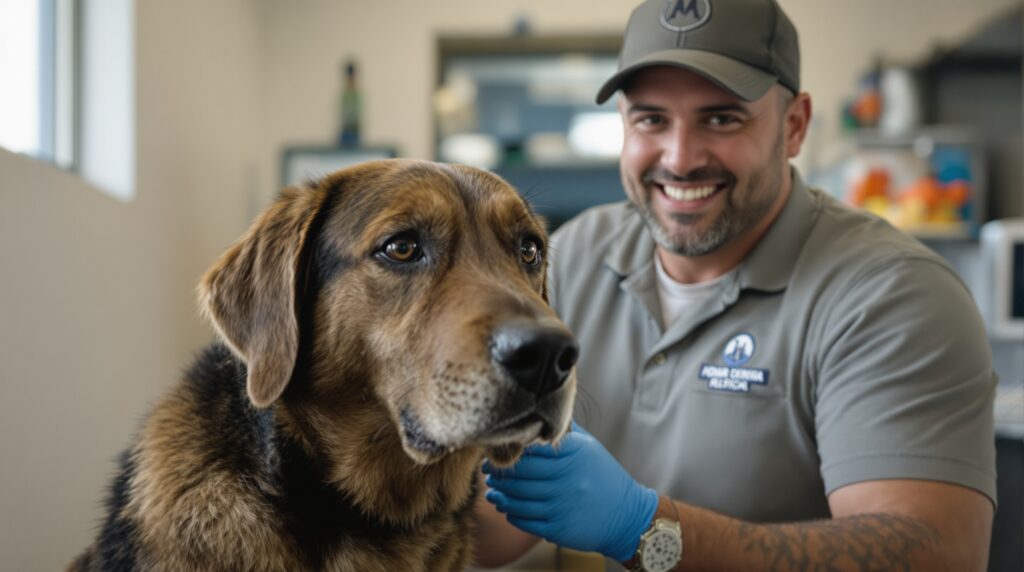
pet transport San Diego Tijuana — Pet transport San Diego to Tijuana involves more than just driving across the border—it requires proper documentation, health certificates, and a pet concierge service that understands both U.S. and Mexican regulations. CBX Pet Care specializes in moving pets safely between San Diego’s neighborhoods (like South Bay, Ocean Beach, and Clairemont) and Tijuana’s growing veterinary centers, handling all the paperwork and logistics so your dog, cat, or exotic pet arrives healthy and on schedule.
Transporting a pet across the U.S.-Mexico border is one of the most common services pet owners request, whether they’re relocating to Baja, visiting family, or seeking affordable veterinary care just south of the line. We’ll walk you through every step—from health requirements to cost ranges—so you know exactly what to expect.
San Diego residents move their pets to Tijuana for three main reasons: relocation, affordable veterinary services, and access to specialized care. Many families living in neighborhoods like Chula Vista, National City, and San Ysidro work or have family ties in Baja California, requiring regular pet transport across the border.
The cost difference is significant. A spay or neuter procedure in San Diego typically costs $300–$800, while the same surgery in Tijuana runs $100–$250 at licensed clinics. Dental cleanings, vaccinations, and preventive care follow similar pricing gaps, making Tijuana veterinary services attractive for budget-conscious pet owners without compromising quality.
Others transport pets to Tijuana because they’ve relocated for work or school, or because they maintain homes on both sides of the border. Climate differences also matter—Tijuana’s year-round mild weather suits senior dogs and cats better than San Diego’s occasional heat spikes.
The biggest mistake pet owners make is assuming they can walk a pet across the border like luggage. U.S. Customs and Border Protection (CBP) and Mexican authorities require specific paperwork, and missing even one form can result in delays, fines, or your pet being quarantined.
Every pet crossing into Mexico needs a health certificate issued by a USDA-licensed veterinarian within 10 days of travel. This certificate confirms your pet is disease-free and current on rabies vaccination (required). The vet must also document microchip numbers, breed, color, and identifying marks.
A Mexican import permit (Certificado Zoosanitario) is mandatory for permanent relocation or extended stays. You’ll obtain this through Mexico’s agriculture ministry (SENASICA) or via a licensed pet transport service like CBX Pet Care, which handles the bureaucracy on your behalf.
For U.S. re-entry, your pet needs proof of rabies vaccination and a health certificate from a Mexican veterinarian issued within 10 days before crossing back. If your pet was born in Mexico and is entering the U.S. for the first time, additional documentation proving vaccination history may be required.
Both countries now strongly recommend (and some vets require) ISO 11784/11785 compliant microchips. Your pet’s microchip number must appear on all health certificates. If your dog or cat doesn’t have a chip, have one implanted at least 2 weeks before travel—it’s a quick, painless procedure costing $25–$50 in San Diego and even less in Tijuana.
Keep a photo of your pet and a written description (size, color, markings) in case of loss during transport. CBX Pet Care includes photo documentation in all transport logs.
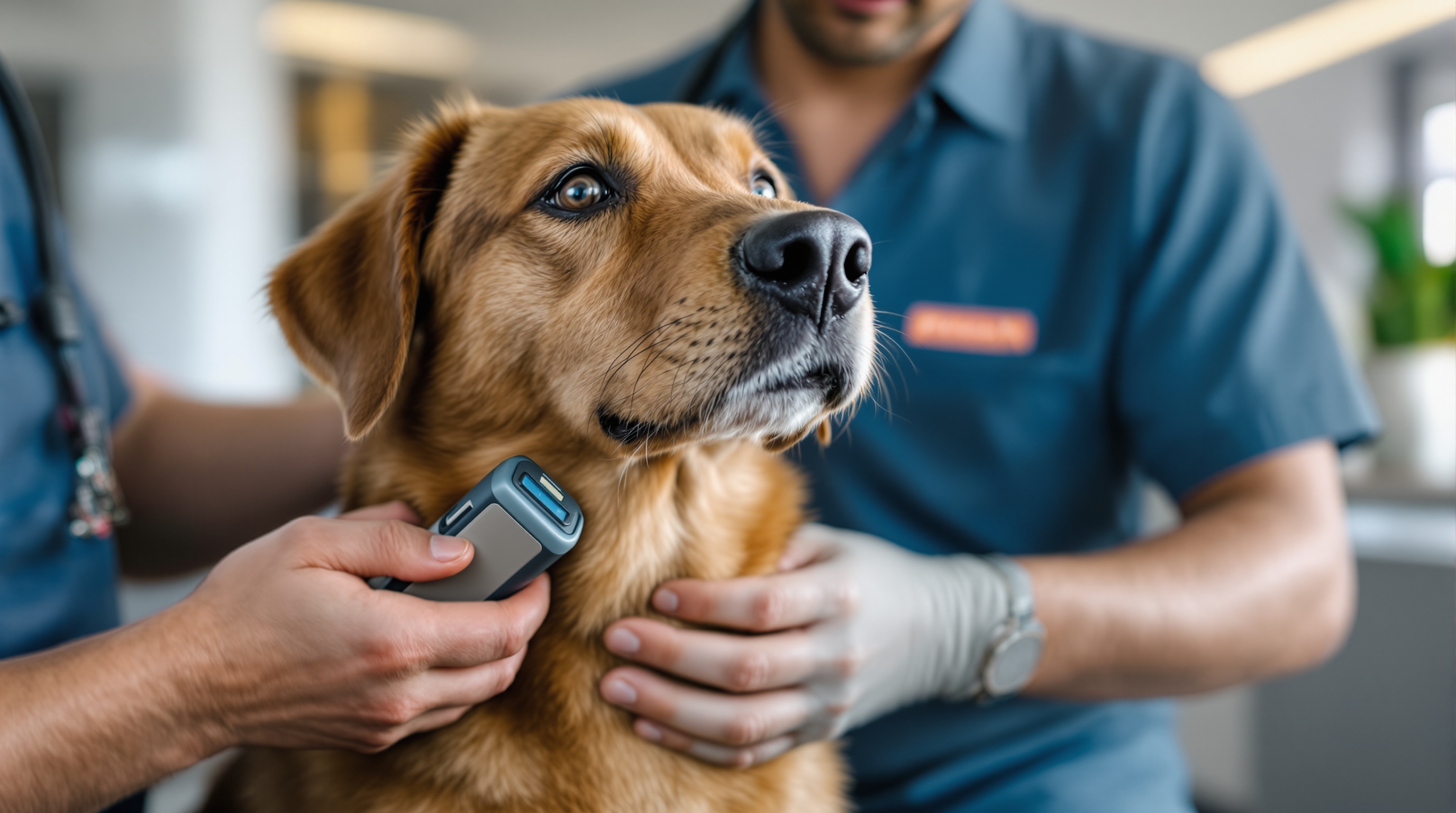
Pet transport from San Diego to Tijuana typically follows this timeline, whether you’re handling it yourself or using a professional service like CBX Pet Care.
Book a check-up with your San Diego vet. They’ll verify vaccination status, check for parasites or skin conditions, and issue the health certificate. This visit costs $75–$150 and is non-negotiable.
If your pet has a chronic condition (diabetes, heart disease), discuss travel risks and bring medication records. Tijuana veterinarians will want baseline bloodwork or X-rays to establish care continuity.
If not already done, have your pet microchipped. Update your contact information in the microchip registry (HomeAgain, AKC, or your clinic’s system). Request copies of all health and vaccination records.
CBX Pet Care can obtain Mexican import permits on your behalf—we work directly with SENASICA to reduce delays. Expect 3–5 business days for permit issuance.
Arrange transport with a licensed handler or use CBX Pet Care’s vehicle service. We provide climate-controlled vehicles with trained handlers for trips originating in South Bay, Ocean Beach, Pacific Beach, and other San Diego neighborhoods.
Transport typically leaves early morning to avoid border wait times and afternoon heat. Your pet travels in a crate with water, familiar bedding, and comfort items. Trip duration from South Bay to central Tijuana is 45 minutes to 1.5 hours depending on traffic at the San Ysidro or Otay Mesa crossing.
At the U.S.-Mexico border, CBP officers may inspect documents and ask questions about your pet’s destination and purpose. Keep all paperwork in a folder or envelope—disorganized docs slow things down.
Once in Mexico, SENASICA officials (at designated crossings) may do a visual inspection but rarely conduct full health exams if your paperwork is complete. The Mexican side of the process is usually faster than the U.S. inspection.
Your pet arrives at the destination address in Tijuana (a vet clinic, new home, or family member’s residence). CBX Pet Care photographs the pet upon arrival and sends you a confirmation text and email with photos. You sign off on the handoff within 24 hours.
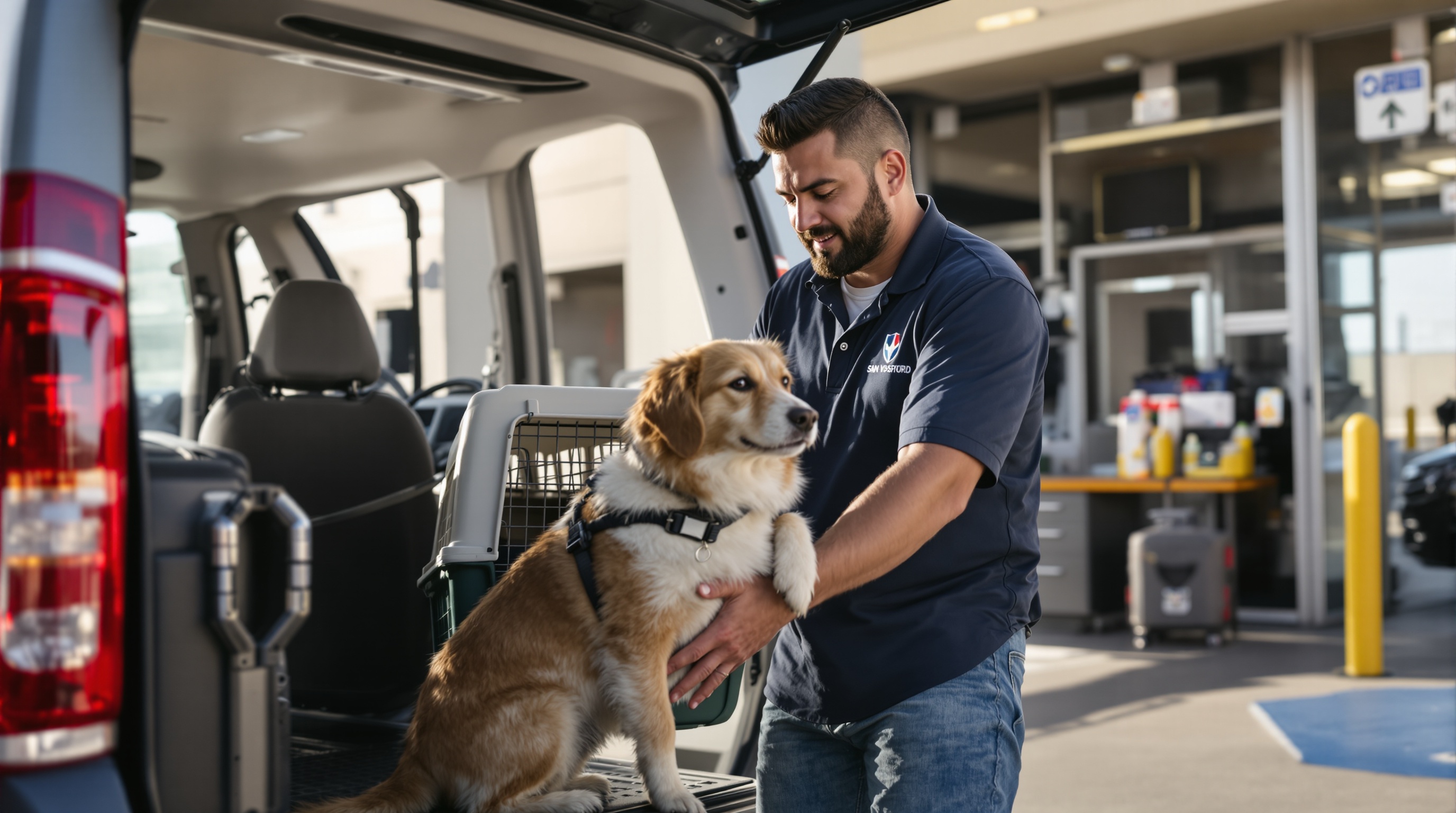
Cost varies based on pet size, distance, crossing location, and whether you handle paperwork yourself or hire a service.
Professional transport saves 8–12 hours of your time, eliminates the stress of border navigation, and includes insurance coverage for your pet’s safety. Many San Diego pet owners find the peace of mind worth the extra cost, especially for senior pets or anxious animals.
If transporting to a specific Tijuana veterinary clinic for surgery or care, some clinics include transport arrangements with the service package—ask when booking.
CBX Pet Care handles all documentation and logistics for safe, reliable transport from San Diego to Tijuana.
Pet transport stress is real. Your dog or cat may experience anxiety, dehydration, or motion sickness during a border crossing. Proper preparation reduces these risks dramatically.
Do not feed your pet a heavy meal 3–4 hours before transport—motion sickness is common. Offer fresh water right before departure. If your pet has a history of car anxiety, ask your vet about a mild sedative (acepromazine or trazodone), which can be prescribed 1–2 days before travel.
Pack a travel kit: collapsible water bowl, leash, collar, recent photo, medications, and medical records. Include a favorite toy or blanket to reduce stress.
A responsible handler never leaves a pet unattended in a vehicle, even for a few minutes. Temperature control is critical—San Diego summers can reach 75–85°F by 9 a.m., which is dangerous for pets in vehicles. CBX Pet Care uses climate-controlled vans and stops for water breaks on longer routes.
For pets with medical conditions, inform your transport provider in advance. If your dog has diabetes and requires insulin injection during travel, we can coordinate timing with border crossing schedules.
Allow your pet 2–3 hours to acclimate to the new environment before introducing new foods or strenuous activity. If your pet is visiting a Tijuana vet clinic, schedule arrival for morning appointments to allow recovery time before evening.
Monitor for signs of stress or illness: excessive panting, refusal to eat, vomiting, or lethargy. These may resolve within 24 hours, but contact your destination vet if symptoms persist.
Pet owners often use transport services to access Tijuana’s growing network of veterinary clinics, which offer quality care at 40–60% lower costs than San Diego facilities. Understanding the quality level and communicating with your destination vet is essential.
Not all Tijuana vet clinics are equal. Choose a clinic that is SENASICA-registered, has licensed veterinarians (Cédula Profesional), and maintains English-speaking staff if you don’t speak Spanish fluently. Veterinary services in Tijuana range from basic care (vaccinations, checkups) to specialized surgery (orthopedics, neurology, oncology).
Ask your San Diego vet if they have relationships with Tijuana clinics or can recommend one. CBX Pet Care has partnerships with several reputable Tijuana veterinary facilities and can coordinate your pet’s arrival and care schedule.
Always provide your Tijuana vet with a copy of your pet’s medical history, bloodwork, X-rays, and prior surgical records. If your pet has chronic disease, ask your San Diego vet to write a summary in Spanish so the Tijuana vet understands the condition and current management.
Request discharge summaries and follow-up care instructions in writing. These become essential if you later need to transport your pet back to San Diego for ongoing care.
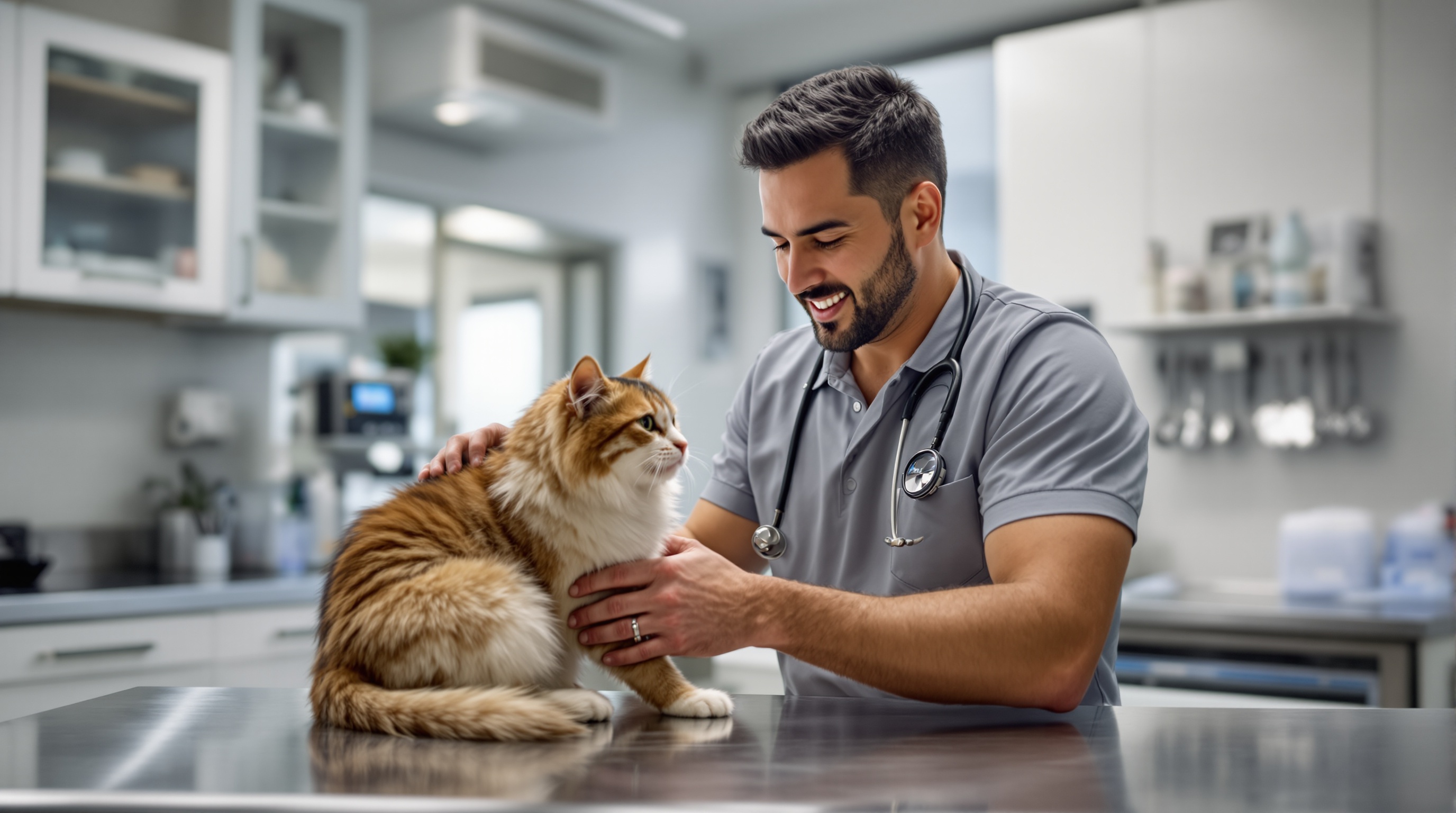
Bringing your pet back to the U.S. follows the same process but with slightly different documentation. Your Tijuana vet issues a Mexican health certificate (valid for 10 days). U.S. Customs and Border Protection requires proof of rabies vaccination and the certificate.
The return trip is often simpler because U.S. authorities are familiar with pets crossing from Mexico. However, if your pet received medical treatment in Tijuana, carry discharge papers and prescriptions in case CBP asks questions.
For seasonal residents or families splitting time between San Diego and Tijuana, repeat transport can become routine. CBX Pet Care offers discounted rates for regular cross-border trips—contact us for details.
Even experienced pet owners make errors during border crossings. Learning from common mistakes can save time, money, and stress.
Mistake 1: Incomplete health certificates. Your vet must fill out all blanks—including microchip number, breed, color, and your contact info. Incomplete forms are rejected at the border, causing delays up to several hours.
Mistake 2: Expired rabies vaccines. Rabies vaccination must be current and documented on the health certificate. If expired by even one day, the pet cannot cross and must return to San Diego for re-vaccination.
Mistake 3: No Mexican import permit for permanent relocation. If you’re moving a pet to Tijuana permanently and skip the import permit, you risk being stopped at the border or having your pet detained for quarantine.
Mistake 4: Transporting during peak border hours. The San Ysidro crossing sees 20,000+ vehicles daily. Peak hours are 7–9 a.m. and 4–6 p.m. Transport your pet at off-peak times (10 a.m.–3 p.m., or early morning 5–6 a.m.) to minimize wait times and pet stress.
Mistake 5: Not informing the handler of behavioral issues. If your pet is aggressive toward strangers, car-anxious, or has special medical needs, tell your transport provider before the trip. This allows proper crating, handling, and scheduling.
CBX Pet Care exists because crossing the border with a pet is complicated and stressful. Our team handles all logistics—you don’t need to navigate traffic, border checkpoints, or paperwork confusion.
We’re bonded and insured, meaning your pet is protected if anything goes wrong during transport. Our handlers are trained in pet handling, stress reduction, and emergency response. We coordinate with veterinary clinics in both San Diego and Tijuana to ensure seamless care transitions.
Many San Diego pet owners, especially those in busy neighborhoods like Pacific Beach, Mission Valley, and Downtown, simply don’t have the time to manage a border crossing themselves. We solve that problem so you can focus on your pet’s health, not logistics.
Whether you’re relocating permanently, making a one-time trip to Tijuana veterinary services, or managing a complex multi-pet transport, CBX Pet Care’s experienced team brings peace of mind to every crossing.
Let CBX Pet Care handle the details. Free quote and consultation available.
Transit time from South Bay or other San Diego neighborhoods to central Tijuana is 45 minutes to 1.5 hours depending on traffic. Border processing adds 30–60 minutes depending on agent volume and completeness of your paperwork. Total time door-to-door is usually 2–3 hours.
Inform your transport provider beforehand. Your vet can prescribe a mild sedative (acepromazine or trazodone) to reduce anxiety. CBX Pet Care drivers are trained to handle anxious pets, and we take breaks for water and comfort as needed on longer routes.
Yes, when using a licensed, bonded, and insured service like CBX Pet Care. We use climate-controlled vehicles, trained handlers, and photo documentation throughout the journey. Your pet’s safety and health are insured during transport.
Absolutely. Multiple pets traveling together may reduce cost per animal and reduce stress if they know each other. Each pet still needs its own health certificate, microchip, and documentation. CBX Pet Care transports families with 2–4 pets regularly.
CBX Pet Care handlers carry pet first aid supplies and have protocols for medical emergencies. If your pet shows signs of distress, we stop immediately and contact emergency vet services. Transport can be paused or rerouted to the nearest veterinary clinic. Your pet’s health always comes first.
No. CBX Pet Care handles the entire process on your behalf, including paperwork at the border. However, you must authorize the transport and provide all necessary documentation in advance. You’ll receive photo confirmation when your pet arrives at the destination. Related: Pet Concierge Cross Border San Diego: Complete Guide to Tijuana Pet Care Services Related: Pet Transport San Diego Tijuana: Safe & Stress-Free Cross-Border Travel
Our bilingual team is ready to help. Get a free estimate for veterinary care in Tijuana.
