Pet travel documentation border crossing requires specific USDA paperwork, veterinary certificates, and proof of vaccination before your dog or cat can legally enter the United States from Mexico or travel south into Tijuana. Missing even one document can result in your pet being quarantined, returned, or held at the border for days while you scramble to gather paperwork.
At CBX Pet Care, we handle cross-border pet moves for San Diego and South Bay residents every week. We’ve learned exactly which forms inspectors require, what veterinarians often forget to include, and how to avoid delays at San Ysidro, Otay Mesa, or the Tecate crossing.
The U.S. Department of Agriculture (USDA) and U.S. Customs and Border Protection (CBP) enforce strict rules on pets entering the country. Your pet isn’t just crossing a state line—international travel means federal inspection.
Dogs and cats arriving from Mexico must have a USDA Form 17-128, signed by a licensed veterinarian within 10 days of travel. Cats also require an additional USDA Form 17-146 for feline-specific health attestation. This isn’t optional paperwork—border agents will ask for it before allowing entry.
Vaccination records must be originals, not copies, and dated correctly. Rabies vaccination is non-negotiable. Even if your pet received rabies shots years ago, they must have a current booster on file. The vaccine must be from a licensed veterinarian and documented with the vaccine serial number.
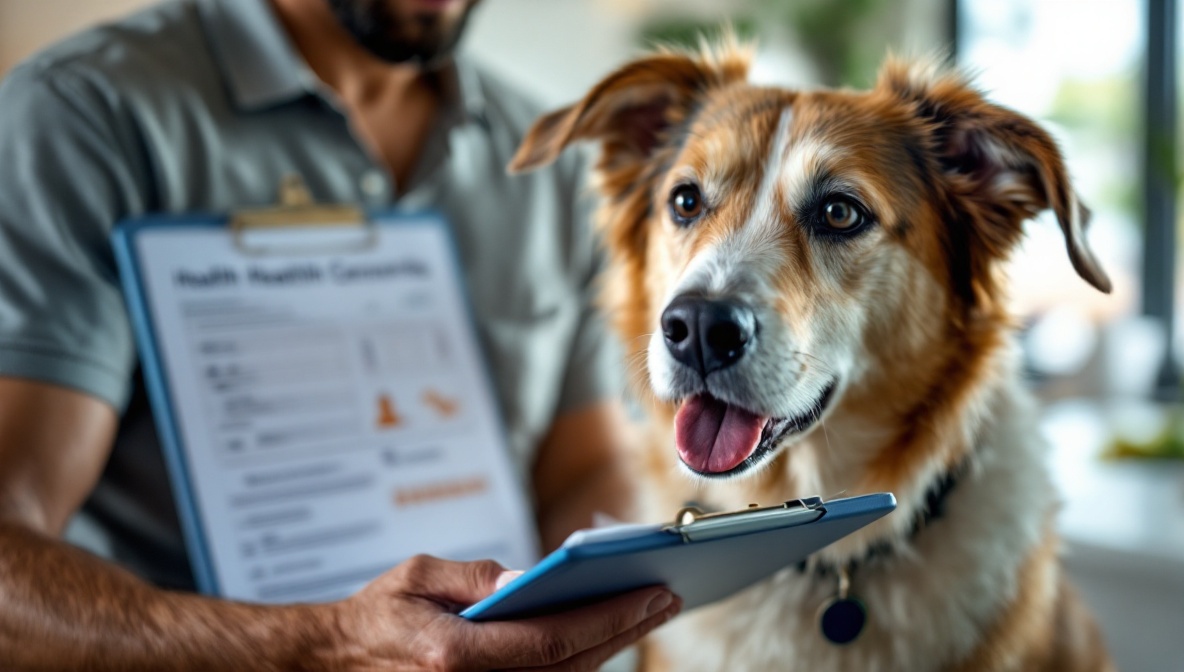
Having helped dozens of families move pets between San Diego and Tijuana, we’ve created a checklist that prevents last-minute panic at the border.
Book an appointment with a USDA-accredited veterinarian licensed in California or Baja California. The vet must examine your pet in person within 10 days of travel. This isn’t a phone consultation—CBP agents will verify the exam date matches the health certificate.
During the exam, confirm your pet’s microchip is reading correctly using an ISO scanner. Some shelters and Tijuana clinics use older scanners that won’t detect newer microchips, so ask the vet to scan before the appointment.
Pull your pet’s vaccination record from your current veterinarian. The rabies booster must be current—expired boosters will result in denial at the border. If your pet is overdue, schedule a booster appointment immediately.
Write down the vaccine batch number and serial number from the certificate. Border agents sometimes verify this information against USDA databases. If the batch number is missing, you’ll be stopped.
Ask your veterinarian to complete USDA Form 17-128 during the exam visit. This form must be signed and dated within 10 days of your travel date. The vet will attest that your pet shows no signs of rabies, parasites, or infectious disease.
Request two printed copies. Bring one to the border and keep one with your travel documents. Digital copies are not acceptable at CBP inspection points.
If your pet doesn’t have a microchip, get one before traveling. Many dogs and cats crossing the border at San Ysidro arrive without microchips, which can trigger additional questions at inspection.
Use an ISO-standard microchip (985 or 999 format) to ensure it scans at any border crossing or veterinary clinic in North America. Register the microchip number with the manufacturer’s registry and bring proof.
CBX Pet Care handles all documentation and transport. Free consultation on your pet’s needs.
Check the USDA APHIS website or call the port of entry where you plan to cross. Some crossings (San Ysidro, Otay Mesa) may require an advance import permit, especially if you’re relocating permanently with multiple pets.
If a permit is required, submit it online at least 7 days before travel. Print your confirmation and carry it with you.
Create a folder with originals of every document: health certificate, vaccination records, microchip proof, import permit, and your pet’s identification photos. Use a plastic folder to protect documents from moisture and handling during inspection.
Keep documents in English and Spanish. Some inspectors prefer bilingual paperwork, especially at smaller crossings like Tecate or San Ysidro during peak hours.
In our experience with CBX Pet Care, certain mistakes appear repeatedly. Knowing what to avoid saves hours at the border.
The single most common delay is an expired rabies booster. If your certificate shows the vaccination was given more than 3 years ago (or your vet recommends annual boosters and it’s been 13 months), you must get a new booster before traveling.
Some pet owners assume older vaccines are still valid. They’re not. CBP will not accept an expired rabies certificate under any circumstance.
The USDA Form 17-128 must be signed by the examining veterinarian. The vet’s license number and business address must be printed or written on the form. Unsigned forms are rejected immediately.
We’ve seen forms signed but missing the vet’s license number—another reason to request copies before leaving the clinic.
CBP inspectors at San Ysidro, Otay Mesa, and smaller crossings require original vaccination records. Photocopies, even certified ones, are not accepted. Bring originals and keep copies for your files.
Non-ISO microchips (older formats used in some regions) may not scan at U.S. border crossings. If your pet has an older microchip and can’t be re-scanned, consider getting an ISO replacement before travel.
Bring written proof that your pet’s microchip is registered. Include the chip number and registry contact information in your travel folder.
Different crossings have different processing times and staffing. Understanding where to cross and when can make the experience smoother for your pet.
San Ysidro is the largest land border crossing in the U.S. Pet inspections happen daily, but wait times can exceed 2-3 hours during peak times (mornings 7-10 AM, afternoons 3-6 PM).
Arrive early, have all documents ready, and prepare your pet with water and a bathroom break before the inspection area. Keep your pet in a carrier or on a secure leash—border agents will ask you to open the carrier for inspection.
Otay Mesa typically has shorter wait times and fewer vehicle backlogs. If you have complete documentation, crossing at Otay Mesa (east of downtown San Diego) can reduce border time by 30-40 minutes.
The inspection facility is similar to San Ysidro. Have documents organized and easily accessible in the front of your folder.
Tecate is about 45 minutes northeast of downtown San Diego. It’s a smaller crossing with fewer inspectors but also fewer delays. Pet inspections here are straightforward if your documentation is complete.
The trade-off: Tecate has fewer amenities and services if complications arise. We typically recommend it only for prepared travelers with complete documents.
Vaccination requirements go beyond rabies. Understanding what’s required prevents rejected paperwork at inspection time.
Rabies is the only vaccination explicitly required by USDA for pets entering the U.S. from Mexico. Your pet must have a current rabies booster. The vaccine must be administered by a licensed veterinarian at least 30 days before travel (though some protocols recommend 2-4 weeks).
If your pet is traveling for the first time and has never been vaccinated against rabies, you’ll need to schedule the initial vaccination and wait the required interval before crossing.
While distemper/parvo (dogs) and feline viral rhinotracheitis/calicivirus (cats) aren’t federal requirements, many veterinarians recommend these boosters before international travel. If your pet will be boarding, groomed, or socialized in the U.S., these vaccines reduce illness risk.
Ask your veterinarian if these boosters make sense for your pet’s lifestyle. Include them in the health certificate even if not federally mandated.
The USDA Form 17-128 requires the veterinarian to attest that your pet shows no signs of parasites or internal/external infestations. Some border agents ask about parasite prevention history.
If your pet is from Tijuana or a rural area where parasites are common, consider a fecal exam and parasite treatment before the vet exam. Document this in your travel folder.
Moving a pet across the border involves logistics beyond paperwork. Temperature control, stress management, and handling at inspection checkpoints all matter.
CBX Pet Care specializes in coordinating pet imports and ensuring all documentation is completed correctly before you approach the border. We handle pre-travel scheduling, document verification, and sometimes accompany pets through inspection to answer questions veterinarians may have left unanswered.
For San Diego families adopting pets from Tijuana rescues or relocating with pets from Mexico, our cross-border pet transportation service includes full documentation support. We also work with local veterinarians to ensure health certificates meet USDA standards on first submission.
Proper planning prevents rush-hour border chaos. Here’s a realistic timeline for moving a pet across the San Diego-Tijuana border.
If your pet’s rabies booster is due or expired, schedule the vaccination now. Some protocols require a 2-week wait after vaccination before travel is safe. Starting early prevents this delay.
Confirm your pet has a current microchip. If not, schedule microchipping and allow time for the site to heal (typically 1 week before travel).
Research the border crossing you plan to use and check if an import permit is required.
Book a pre-travel veterinary exam with a USDA-accredited veterinarian. Schedule for a date no more than 10 days before your planned crossing.
Gather original vaccination records and microchip documentation. Organize them in your travel folder.
Confirm the veterinary appointment and ask the vet to have USDA Form 17-128 printed and ready (not handwritten) for signature on exam day.
If an import permit is required, submit it now and print the confirmation.
Attend the veterinary exam. Request two printed copies of the health certificate. Verify the vet’s signature, license number, and date are legible.
Prepare your travel folder with all originals in order: health certificate, vaccination records, microchip proof, import permit, and ID photos.
Arrive at the border 30-45 minutes before peak hours. Have your folder ready and your pet calm and hydrated. Expect 30 minutes to 2 hours at inspection, depending on the crossing and time of day.
For a detailed walkthrough of the documents needed to cross the U.S.-Mexico border, see our complete border crossing guide.

Some pet relocations involve complications or special circumstances that require extra paperwork beyond standard border crossing documentation.
Rescue organizations in Tijuana often provide basic health documentation, but it may not meet USDA standards. Before adopting, confirm the rescue will provide USDA Form 17-128 or arrange for a vet exam after adoption.
Some rescues partner with cross-border veterinary services. Ask if they’ve worked with CBX Pet Care or similar organizations before finalizing the adoption.
Older dogs and cats or those with chronic conditions may need additional documentation confirming they’re safe to travel. Ask your veterinarian about adding a letter describing the pet’s medical status and any medications needed at the border.
Keep medications in original bottles with prescription labels. CBP agents may ask about them during inspection.
If you’re moving permanently to California with a pet, the documentation is the same, but you’ll also need proof of residency (lease or purchase agreement). If crossing temporarily (vacation or short-term care), standard documentation suffices.
CBP may ask how long you’re staying. Having a clear answer and ID/residence proof ready prevents additional questions.
Each pet requires separate health certificates, vaccination records, and microchip documentation. Organize them by pet in your travel folder. Inspection time doubles with multiple animals, so plan for 1.5-3 hours at the border.
Several government and veterinary organizations provide official guidance on pet import documentation for the San Diego-Tijuana border.
The USDA APHIS Pet Travel website has official forms, current regulations, and port-of-entry contact information. It’s the authoritative source for federal requirements and should be your first reference.
For veterinary guidance specific to cross-border travel, the California Veterinary Medical Association and Colegio de Médicos Veterinarios de Baja California both offer resources on USDA-compliant health documentation.
CBX Pet Care works directly with border inspection agents and USDA-accredited veterinarians on both sides of the border. If you have questions about specific documentation or need help coordinating a pet import, our pet concierge service can walk you through each step and verify paperwork before you reach the border.
CBX Pet Care verifies all documents and coordinates with veterinarians to ensure smooth passage.
A USDA Form 17-128 health certificate is valid for 10 days from the date of the veterinary exam. You must cross the border within this window. If you miss the 10-day window, you’ll need a new exam and new health certificate from the veterinarian.
No. CBP will not permit entry with an expired rabies certificate under any circumstances. If your pet’s booster is expired, you must get a new one before attempting to cross. Keep vaccination dates updated and schedule boosters in advance to avoid border delays.
Yes. Entering the U.S. from Mexico (northbound) requires USDA Form 17-128 and current rabies vaccination. Traveling south from California to Mexico typically requires proof of rabies vaccination and sometimes a health certificate, but Mexico’s requirements vary. Check with the Mexican port or your veterinarian for south-bound requirements.
If inspection agents find missing or incomplete paperwork, your pet may be quarantined, returned to Mexico, or held while you arrange corrected documentation. This can take 24-72 hours. To avoid this, have all documents reviewed by a veterinarian before the border and carry originals, not copies.
You must have original, signed documents. Digital copies are not accepted at CBP inspection points. Print all documents before traveling and keep originals in a secure folder. We recommend two sets of originals—one for border inspection and one for your veterinary records.
Our bilingual team is ready to help. Get a free estimate for veterinary care in Tijuana.
