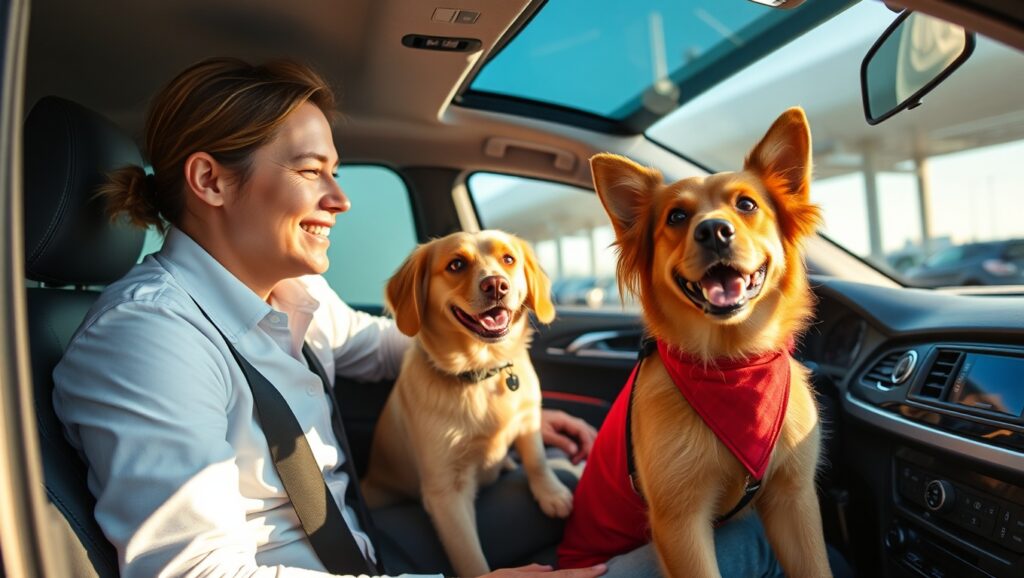
Finding quality veterinary services close to me is easier for San Diego pet owners near the border, with clinics in Tijuana offering 40-60% cost savings compared to U.S. facilities while maintaining excellent care standards. Cross-border veterinary access requires understanding Mexican regulations, transport logistics, and re-entry documentation for your pet.
Cost savings are real. A routine dental cleaning that costs $800-1,200 in San Diego often runs $300-500 in Tijuana. Spaying or neutering procedures, blood work, ultrasounds, and orthopedic surgeries follow the same pattern. Mexican veterinarians undergo rigorous training and many attended the same universities as their U.S. counterparts.
Accessibility matters too. If you live in Chula Vista, National City, or Imperial Beach, Tijuana clinics are sometimes closer than San Diego practices. Many border clinics explicitly cater to U.S. pet owners and speak English. Some offer services you won’t find easily in San Diego—like exotic animal care (birds, rabbits, reptiles) or specialized treatments at lower prices.
Wait times are often shorter. You can frequently book appointments within days rather than weeks, which is critical if your pet needs urgent non-emergency care.
Tijuana has hundreds of veterinary clinics (clínicas veterinarias). Quality ranges widely. A clinic in a professional building in Zona Rio or near the border crossing will operate differently than a neighborhood practice in Playas or Rosarito.
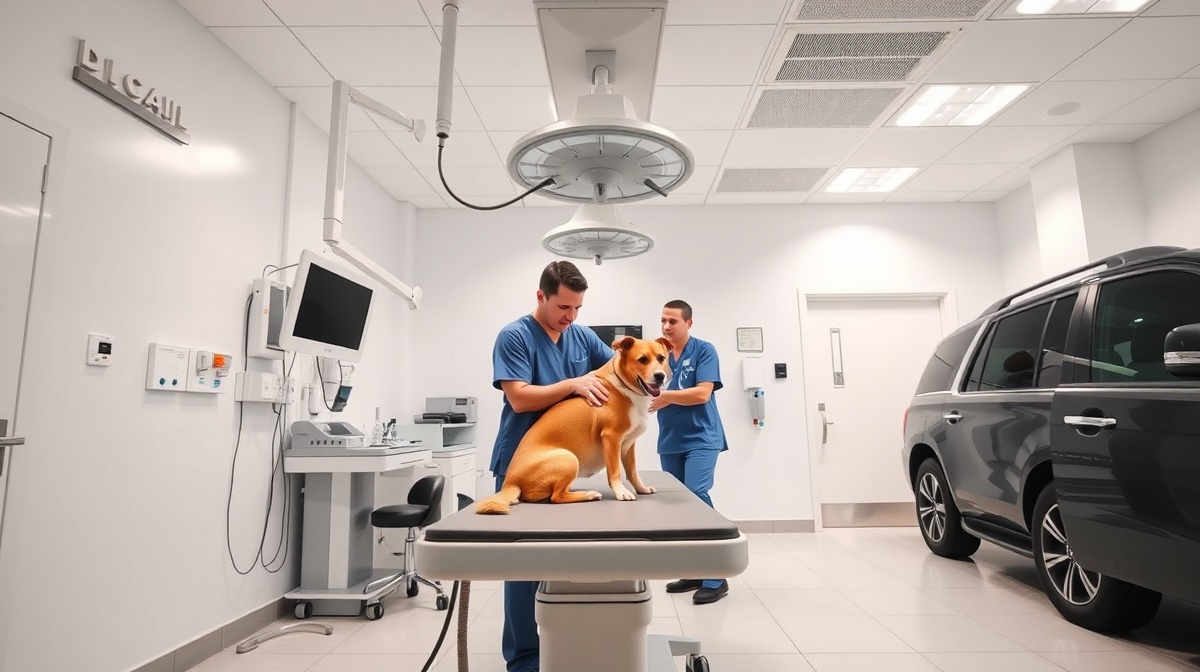
Facilities in upscale areas typically have modern equipment: digital X-ray, ultrasound, surgical suites, blood labs, and dental units. Costs here reflect that infrastructure. A clinic in a residential area might charge less but have fewer amenities. Neither is inherently bad—you’re matching price to your pet’s needs and your budget.
Payment is almost always cash or debit card. Few Tijuana clinics accept U.S. credit cards reliably, though this is changing. Exchange rates mean your dollar goes further—useful context when budgeting.
Pro tip: Many San Diego pet owners use border crossing apps or Google Maps (in Spanish, “veterinarios cerca de mí”) to find clinics near the PedWest or San Ysidro border crossings. This lets you drop your pet at a clinic, return to San Diego, and pick them up later—though transport arrangements are essential.
Start with Google Maps. Search “veterinarios Tijuana” or “veterinaria zona rio” and filter by rating and distance from the border. Clinics near Paseo de los Héroes, Mariano Escobedo, or Avenida Revolución typically have better reviews and English-speaking staff.
Facebook groups for San Diego pet owners are goldmines. Search “San Diego pets Tijuana vet” or “cross-border pet care San Diego”—you’ll find real reviews from people who’ve used specific clinics. Ask for referrals directly.
Ask your San Diego vet for recommendations. Many know reputable Tijuana clinics and may even have referral relationships. They can advise which procedures to have done in Mexico and which to handle locally.
Green flags: The clinic has a professional website or strong social media presence with photos of the facility and staff. Reviews mention specific procedures (“Dr. García did my dog’s ultrasound”). The clinic lists credentials or certifications. Staff responds to inquiries in English. Pricing is listed transparently online.
Red flags: No online presence at all. Vague pricing (“Call for quote”). No way to verify the veterinarian’s credentials. Extremely low prices (suspiciously cheaper than everywhere else). No photos of the facility. Language barriers with no English-speaking staff if you don’t speak Spanish.
If your pet is visiting Tijuana for a one-time visit and returning to San Diego, you don’t need a Mexican health certificate. However, you DO need documentation to legally re-enter the United States with your pet.
For dogs and cats: Your pet must have a current rabies vaccination (valid for the trip). Bring the original rabies certificate from your San Diego vet. The Tijuana clinic will examine your pet and may issue a health certificate (certificado de salud) but typically won’t re-vaccinate unless necessary.
Before crossing back to the U.S.: Have the Tijuana clinic provide a health certificate signed by a licensed Mexican veterinarian. U.S. Customs and Border Protection (CBP) at the border crossing will want to see this, especially if your pet shows any signs of illness. The certificate costs $20-50 and is straightforward—the vet confirms your pet is healthy and free of obvious illness.
Keep all paperwork together: rabies certificate, Mexican health certificate, and any medical records or lab results. Store photos of these documents on your phone as backup.
Getting your pet from San Diego to Tijuana and back requires planning. You have three main options:
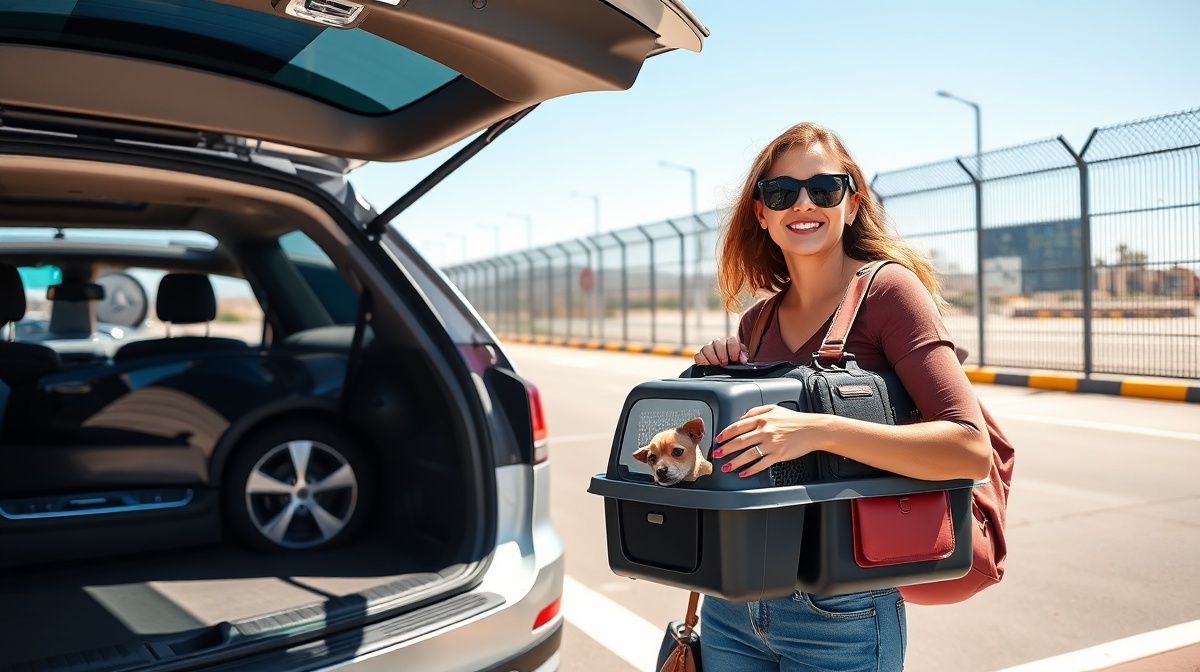
Drive yourself. Cross at San Ysidro or PedWest with your pet in a crate or carrier. Allow 30-90 minutes for the border crossing depending on traffic. Park near the clinic, complete the appointment, and return the same way. This works well for routine visits but requires your time and a vehicle.
Use a pet transport service. Companies like CBX Pet Care specialize in cross-border pet transport. A handler picks up your pet from your San Diego home, drives them to a Tijuana clinic, waits during the appointment, and returns them to your door. Costs typically run $150-300 depending on location and appointment length. This eliminates your travel time and border-crossing stress.
Drop-off and coordinate timing. Take your pet to the clinic yourself, arrange a specific pickup time, and return later. Some clinics can hold your pet safely between morning drop-off and afternoon pickup. This requires trust and clear communication.
Physical exam: $25-50 USD equivalent. Includes assessment, minor treatment recommendations.
Vaccinations: Rabies $15-25, DHLPP (dogs) or FVRCP (cats) $20-35 per vaccine. Often bundled at discount clinics.
Microchipping: $20-40. Essential if your pet ever crosses the border again—helps with traceability.
Dental cleaning (prophylaxis): $300-500 for a routine cleaning with anesthesia. In San Diego, expect $800-1,500.
Extraction: $30-75 per tooth, depending on complexity. Surgical extractions cost more.
Spay: $150-300 for a routine ovariohysterectomy in a healthy pet.
Neuter: $80-150.
Orthopedic surgery (fracture repair, cruciate ligament): $400-1,500 depending on complexity. These often require multiple visits.
Blood work (complete chemistry panel): $40-80.
Ultrasound: $60-120 per area scanned.
X-rays: $30-60 per view.
Urinalysis: $20-35.
Ask for itemized quotes before committing. Prices vary by clinic and location. Zona Rio clinics charge more than residential neighborhoods, but have newer equipment.
While most routine and surgical care works well cross-border, some situations are better handled in San Diego. If your pet needs emergency surgery (bloat, hit-by-car, acute distress), go to an emergency clinic in San Diego immediately. Emergency response time matters more than cost.
Complex behavioral cases, advanced oncology (cancer care), and extended hospitalization are also better managed in San Diego where you have continuity with your regular vet and easier communication if complications arise.
If your pet has serious pre-existing conditions, get your San Diego vet’s approval before crossing the border for elective procedures. Some conditions make anesthesia risky, and you want your U.S. vet coordinating care.
CBX Pet Care can arrange safe transport and logistics for your pet’s Tijuana appointment.
Returning from Mexico to the United States with your pet is straightforward if you have the right paperwork. At the San Ysidro or PedWest crossing, CBP officers may ask to see your pet’s health certificate. They’re mainly checking that your animal doesn’t appear sick or stressed.
Keep your pet calm in a carrier during the crossing. A nervous dog or cat draws more attention. If your pet has any visible signs of illness (discharge, coughing, lethargy), inform the officer proactively. Most pets pass through without issue, especially if they’re vaccinated against rabies and have a Mexican health certificate.
Crossing as a pedestrian vs. by car affects timing. Walking across takes 30-60 minutes in normal traffic. Driving through the lanes is faster but more congested during peak hours (early morning, late afternoon).
Carry originals or clear photos of: rabies vaccination certificate from your San Diego vet, Mexican health certificate from the Tijuana clinic, and any medical records or lab results from the visit. Store these in a waterproof folder or your phone. If CBP asks, you’ll have proof ready.
Some San Diego vets want to see the Mexican health certificate after your pet returns, especially if the visit involved surgery or significant treatment. File it with your pet’s records at home.
Many San Diego pet owners use both systems smartly. They get routine care and planned procedures in Tijuana, then follow up with their San Diego vet as needed. This hybrid approach maximizes savings while keeping your pet’s care coordinated and safe.
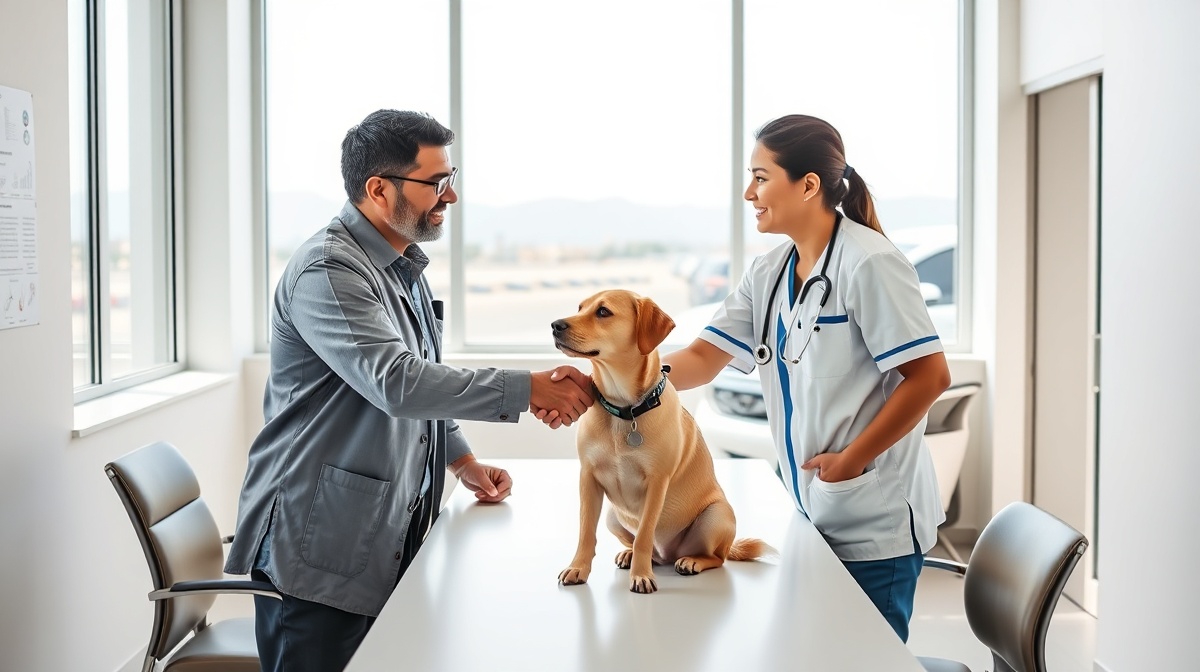
Call ahead and confirm pricing. Ask for a written quote via email or WhatsApp. Prices should be consistent with the estimates in this guide. If a clinic quotes double what competitors charge, ask why (sometimes for good reason; sometimes they’re testing if you’ll overpay).
Request an English-speaking vet if possible. Many Tijuana clinics have bilingual staff. If you don’t speak Spanish, confirm this before booking.
Ask about post-operative care instructions in writing. Request email or WhatsApp summaries of medications, dosages, activity restrictions, and follow-up schedules. This eliminates confusion when language barriers exist.
Plan for your pet’s comfort during transport. Use a secure, well-ventilated crate. Bring water and a familiar toy or blanket. Keep the car cool and calm during border crossing.
Schedule follow-up with your San Diego vet. If your pet had surgery or significant treatment in Tijuana, book a post-op check with your U.S. vet 1-2 weeks later. This ensures healing is on track and provides continuity of care.
Keep vaccination records current. If your pet is due for rabies renewal, get it done in San Diego before your Tijuana visit, not after. This ensures hassle-free border crossings.
For routine and surgical procedures, yes. Tijuana veterinarians are trained to the same standard. Where San Diego may have an edge is in specialty care (internal medicine, cardiology, oncology) and emergency response. For a routine spay or dental cleaning, a licensed Tijuana vet is just as qualified.
Choose a reputable clinic with a surgical suite and anesthesia monitoring. Ask how many procedures the vet performs monthly. If complications occur post-surgery, you have recourse—the vet is licensed and your Mexican health certificate documents the visit. Most clinics carry liability insurance. Your San Diego vet can also advise if follow-up care is needed.
Almost never, if your pet has a health certificate and current rabies vaccination. CBP processes thousands of pets daily at the border. They’re not trying to stop you—they’re checking for disease. A healthy pet with paperwork passes in minutes.
Most U.S. pet insurance plans do not cover international care. Check your policy. Some plans reimburse after you submit Mexican vet records and receipts. Others exclude Mexico entirely. Call your insurer before planning a cross-border procedure.
If you plan multiple visits, consistency matters. Pick a clinic and stick with it for routine care. This builds a record of your pet’s health in Mexico, and the vet learns your pet’s history and temperament.
Exchange contact info with the clinic via WhatsApp. Many Tijuana vets actively use WhatsApp for communication, photo sharing, and follow-up questions. Send them a picture of your pet and a brief health summary so they recognize you on the first visit.
If a clinic treated your pet well, refer friends and family. Good clinics near the border thrive on San Diego referrals. Your feedback helps them improve and helps other border residents find trustworthy care.
If you had a poor experience, don’t hesitate to try a different clinic. The market is large enough that you’ll find one matching your standards, budget, and expectations.
If you live more than 30 minutes from the border (e.g., Escondido, El Cajon, or inland Chula Vista), driving to Tijuana yourself becomes time-consuming. A pet transport service becomes economical. CBX Pet Care, for example, handles pickup from your home, transport to a Tijuana clinic, appointment support, and return delivery. This eliminates border-crossing stress and gives you a full day back.
Professional transport also works well if you’re scheduling your pet for surgery requiring a full workday (8-10 hours). You drop your pet off in the morning, the transport handler stays nearby during the procedure, and your pet comes home in the evening—all without you sitting in traffic or border lines.
Cost is typically $150-300 depending on distance and appointment duration. For expensive procedures (dental, surgery), this fee is often offset by the savings you’re already getting on the procedure itself.
Yes. U.S. citizens can cross the San Ysidro or PedWest border with their pets using just a pet carrier and proof of rabies vaccination. No passport required for the pet. On return to the U.S., a Mexican health certificate is helpful but not always mandatory if your pet appears healthy and is rabies-vaccinated.
A routine spay in Tijuana costs $150-300, while San Diego clinics charge $400-800 for the same procedure. The difference reflects lower overhead costs in Tijuana, not lower quality. Both are performed by licensed veterinarians under anesthesia.
Contact the Tijuana clinic immediately by phone or WhatsApp with details. They can advise whether the issue is normal post-operative healing or requires attention. Many will see your pet again at no charge if the problem is directly related to their procedure. If you’re concerned, have your San Diego vet examine your pet for a second opinion.
Mexican veterinarians must pass a licensing exam and register with health authorities. Standards are comparable to the U.S., though the regulatory body (SAGARPA, now SADER) differs. Reputable clinics display credentials. If unsure, ask to see the vet’s certification before proceeding.
Yes, absolutely. Share all surgical records and documentation from the Tijuana clinic with your San Diego vet. They can assess healing, remove sutures, manage complications, or adjust medications. Most San Diego vets will collaborate with the clinic that performed the initial surgery.
Cross-border veterinary care is a practical, cost-effective option for San Diego pet owners. The key is matching the right procedure to the right clinic, understanding the logistics, and having clear documentation for border re-entry. Start by researching clinics near your border crossing, reading reviews from other San Diego pet owners, and requesting written quotes.
If the logistics feel overwhelming, professional transport services like CBX Pet Care remove the friction. A single phone call can arrange pickup, professional transport, clinic coordination, and safe return to your home.
Whether you choose to drive yourself or use a transport service, the opportunity to save 40-60% on routine and surgical care without compromising quality is real—and accessible right from San Diego’s border neighborhoods.
Let CBX Pet Care handle transport and logistics while you focus on your pet’s health.
619-914-2990 Related: Veterinary Clinic Options in Tijuana: What San Diego Pet Owners Need to Know About Cross-Border Vet Care Related: How to Transport Your Pet from San Diego to Tijuana: Complete Cross-Border Guide
Our bilingual team is ready to help. Get a free estimate for veterinary care in Tijuana.
