Pet transport San Diego Tijuana requires specific knowledge of cross-border regulations, health documentation, and logistics that many pet owners don’t have until they need it. CBX Pet Care receives dozens of questions every week from families moving between California and Mexico, expats relocating their animals, and people purchasing pets across the border.
The San Diego-Tijuana region is unique. Thousands of families split time between San Ysidro, South Bay neighborhoods, and Tijuana. Some own property in both cities. Others work on one side and live on the other. Unlike domestic moves, moving a pet across the U.S.–Mexico border involves federal regulations, Mexican import laws, and veterinary health verification.
Attempting to transport a pet without proper documentation can result in the animal being held at the border, quarantine fees, or deportation. The U.S. Department of Agriculture (USDA) and Mexico’s agricultural authority (SAGARPA) enforce these rules strictly.
This is where professional cross-border pet care makes a real difference. Instead of navigating confusing forms and unfamiliar veterinary offices, you work with a service that understands both countries’ requirements.
A USDA health certificate is an official document issued by a veterinarian licensed to perform export health exams. It certifies that your pet is in good health and current on required vaccinations, mainly rabies. The certificate is valid for 30 days and must be dated within 10 days of your pet’s actual travel date.
Yes, you absolutely need one if you’re moving a dog, cat, or other domestic pet across the San Diego-Tijuana border in either direction. The U.S. requires it for animals entering from Mexico. Mexico requires it for animals entering from the U.S.
The process involves three steps:
CBX Pet Care coordinates this entire process. We work with vetted clinics on both sides to ensure your pet’s records are complete and your certificate is ready before transport day.
Pet transport San Diego Tijuana pricing depends on several factors: your pet’s size and weight, the starting and ending addresses, whether the pet requires a veterinary exam as part of the transport, and whether you need same-day service.
Here’s a realistic pricing breakdown:
| Service | Small Pet (under 20 lbs) | Medium Pet (20–50 lbs) | Large Pet (over 50 lbs) |
|---|---|---|---|
| USDA Health Certificate Only | $150–$200 | $150–$200 | $175–$250 |
| Transport within South Bay / Tijuana | $200–$350 | $300–$500 | $400–$650 |
| Long-Distance (San Diego to Guadalajara) | $500–$800 | $600–$1,000 | $800–$1,400 |
| Urgent/Same-Day Service | +$100–$200 | +$150–$300 | +$200–$400 |
These prices include the transport service itself, driver experience with animals, proper climate-controlled vehicle, and real-time communication with you throughout the process.
Health certificate costs vary by clinic but typically fall between $150 and $250, depending on the vet’s location and whether your pet needs vaccinations updated before the exam.
The exact documents depend on your direction of travel and your pet’s type. Here are the essentials for dogs and cats:
Pet health records (vaccination history, recent physical exam results) should travel with your pet even if not strictly required. If your pet has medical conditions or takes medications, bring prescriptions and a summary letter from your home veterinarian.
Don’t underestimate the importance of a microchip in a border crossing situation. If your pet accidentally escapes during transport, a microchip gives both countries a way to identify and return your animal to you instead of holding it in a shelter.
The timeline breaks into two parts: preparation and actual transport.
Preparation (3–7 days)
Transport Day
If you’re relocating permanently or need transport for multiple pets, CBX Pet Care can often compress the timeline to 2–3 days by working with veterinarians in your area who have faster appointment availability.
Tijuana has several well-equipped veterinary clinics that serve cross-border pet owners. Quality varies, so choosing the right clinic matters if you’re relocating permanently or managing your pet’s health from the U.S. side.
Types of Clinics Available
CBX Pet Care works with pre-vetted clinics to ensure your pet receives professional care and accurate documentation. If you’re planning ongoing veterinary care in Tijuana, we can recommend clinics based on your neighborhood, language preference, and budget.
Costs for veterinary services in Tijuana are generally 30–50% lower than San Diego. A spay or neuter surgery might cost $200–$400 in Tijuana versus $600–$1,200 in California.
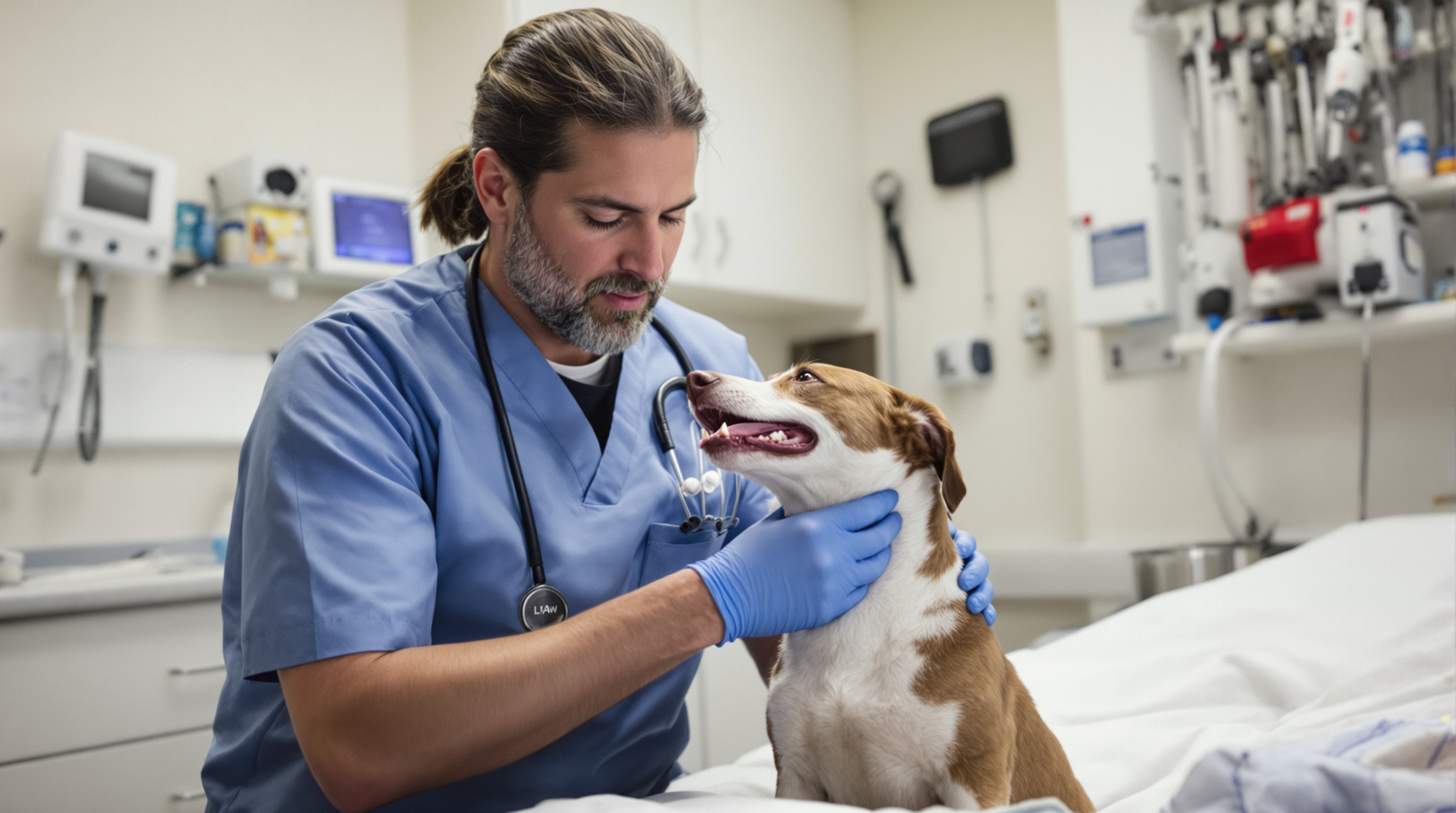
Yes. Many families moving between San Diego and Tijuana have multiple dogs or a combination of dogs and cats.
Transporting multiple pets requires separate health certificates (one per animal) and individual USDA clearance, but the transport itself can happen in a single vehicle on the same day. This actually reduces your overall cost because you’re sharing the vehicle and one driver’s time.
Here’s what CBX Pet Care manages for multi-pet transport:
The added cost for a second or third pet is usually 50–70% of the single-pet rate since you’re not duplicating the entire transport operation.
Pets with chronic conditions like diabetes, heart disease, or epilepsy travel across the San Diego-Tijuana border regularly. The key is planning ahead and ensuring your pet’s medical records are accessible on both sides.
Before transport:
CBX Pet Care alerts the receiving veterinary clinic to any medical flags so they’re prepared. If your pet requires emergency care during transport, we have contact info for 24-hour emergency clinics on both sides of the border.
Mexican veterinarians are trained and licensed just like U.S. vets. If you’re moving to Tijuana long-term, your pet can transition to local veterinary care without issue, just ensure medical records are transferred.

This is rare because transport typically takes 30–90 minutes (depending on distance), but CBX Pet Care has a protocol for emergencies.
All drivers are trained in pet first aid. If a pet shows signs of distress, excessive panting, lethargy, vomiting, the driver immediately contacts the nearest emergency clinic and you. Most transport routes have access to 24-hour emergency veterinary care in both San Diego and Tijuana.
Emergency clinics in the South Bay (San Diego) include hospitals near the 805 and I-5 corridors. In Tijuana, major emergency clinics are located in Zona Centro and near the airport road. CBX Pet Care drivers know these locations and can reach them within 10–15 minutes from most routes.
Your pet’s travel fee includes this emergency access. You’ll never be charged extra for diverting to a vet clinic if your pet needs care during transport.
Pet insurance is not required for border crossing, but it’s valuable if you’re relocating permanently or have a pet with a pre-existing condition.
Standard U.S. pet insurance policies (Nationwide, ASPCA, Trupanion, Healthy Paws) typically do not cover veterinary services received in Mexico. However, some policies will reimburse you if you have a receipt from a licensed vet.
If you’re moving to Tijuana and want ongoing pet health coverage, you have two options:
Most families relocating to Tijuana find that veterinary costs are so low that insurance isn’t cost-effective. A spay, vaccinations, and annual exam might total $300–$500, often less than an annual insurance premium.
Technically, yes, but there are real risks.
If you transport your own pet, you’re responsible for:
Common mistakes include bringing an expired health certificate, using a vet who isn’t export-certified, or not realizing that Mexican customs has different requirements than U.S. customs. Even one missing document can result in a 2–4 hour border delay and stressed animal.
CBX Pet Care handles this complexity for $200–$800 depending on service scope. That’s a small price against the risk of your pet being held at the border or denied entry.
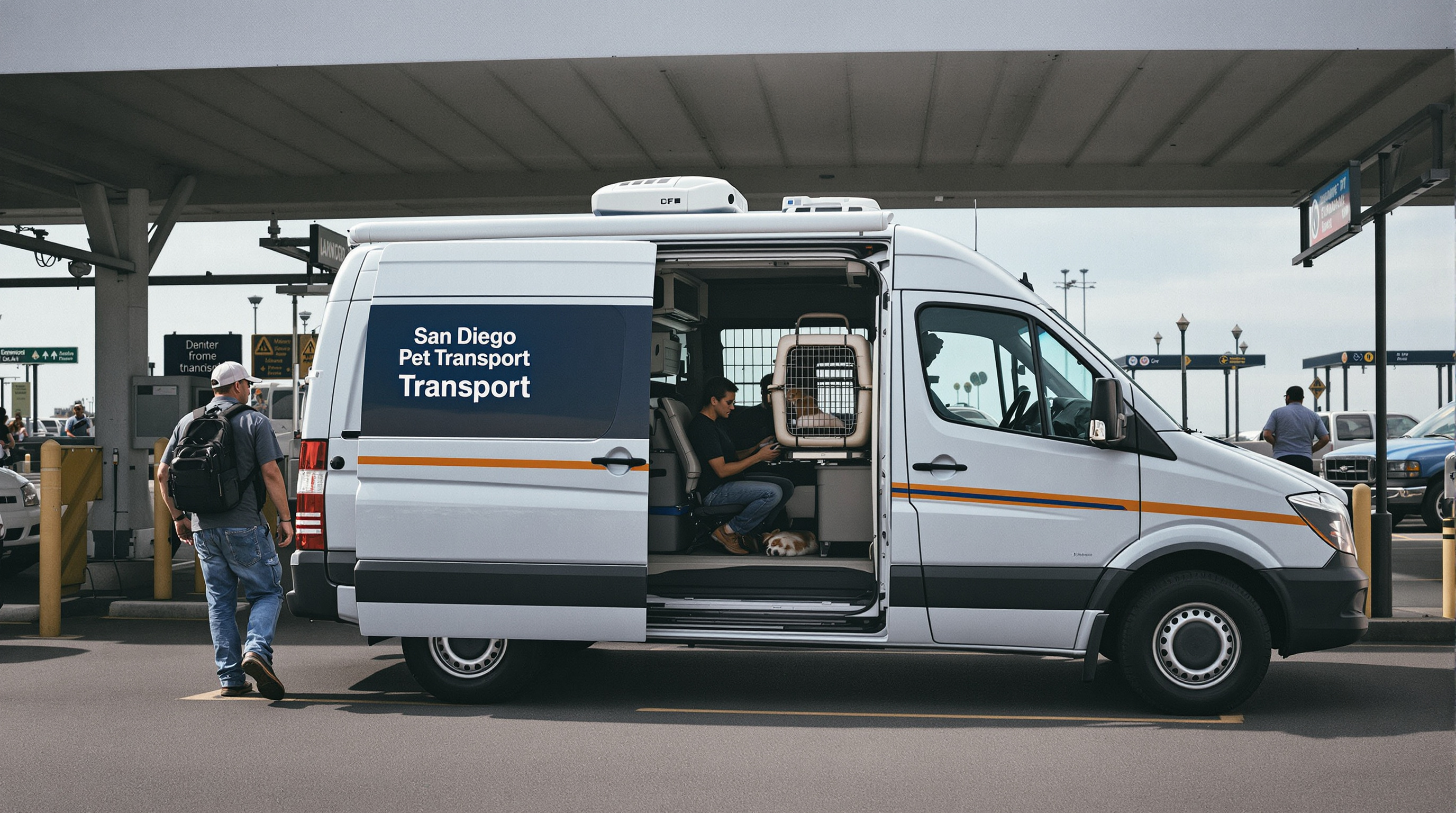
Importing a dog or cat from Tijuana, Baja California, or interior Mexico to the United States requires the same USDA health certificate process, but the veterinary clinic must be licensed by Mexico’s agricultural authority (SAGARPA) and recognized by the U.S. APHIS.
The checklist for importing:
CBX Pet Care specializes in this direction of travel. Many of our clients rescue dogs from shelters in Tijuana or adopt street dogs and want to bring them to California. We coordinate the entire process, health exam, vaccination updates if needed, transport, and U.S. customs handoff.
The timeline is the same: 3–7 days to prepare documents, then transport on your preferred date.
CBX Pet Care handles all cross-border logistics. Get started today.
The San Diego-Tijuana border region experiences extreme heat in summer (90–105°F) and rare but cold winters. These conditions affect pet transport safety.
Summer (June–September): Early morning or evening transport is essential for any pet, especially brachycephalic breeds (bulldogs, pugs) or seniors. CBX Pet Care recommends scheduling transport before 10 a.m. or after 5 p.m. during peak heat. Our vehicles have full climate control, but a pet sitting in traffic in the sun causes preventable stress.
Winter (December–February): While San Diego rarely drops below 50°F, Tijuana’s inland areas and routes to Guadalajara or Ensenada can reach 40–45°F at night. We provide blankets and ensure your pet is warm and secure.
Spring and Fall: Ideal travel seasons with moderate temperatures and lower border crossing times (usually 20–45 minutes versus 60–120 minutes in summer).
If you’re relocating between San Diego and Tijuana, importing a rescue from Mexico, or need cross-border veterinary services, the first step is a consultation with CBX Pet Care. We’ll review your specific situation, answer remaining questions, and provide a transparent quote.
Here’s what happens:
Pet transport San Diego Tijuana is complex, but it doesn’t have to feel overwhelming. CBX Pet Care has completed hundreds of cross-border pet moves. We know the requirements, the clinics, the customs protocols, and how to keep your pet safe and calm through every step.
We handle USDA certificates, permits, transport, and veterinary coordination, so you don’t have to.
619-914-2990 Related: Cross-Border Pet Healthcare: Combining San Diego & Tijuana Vet Services Related: Pet Transport San Diego Tijuana: Safe & Stress-Free Cross-Border Travel
Our bilingual team is ready to help. Get a free estimate for veterinary care in Tijuana.
