Cross border pet transport between San Diego and Tijuana requires specific health certificates, vaccination records, and microchipping to comply with U.S. and Mexican customs regulations. Moving a dog, cat, or other pet across the San Ysidro, Otay Mesa, or other border checkpoints is not as simple as driving over with your pet in the car, federal law and both countries’ animal health agencies have strict requirements that protect your animal and prevent disease spread.
At CBX Pet Care, we manage the entire cross-border pet transport process for San Diego residents and Tijuana families. We obtain the necessary USDA-APHIS health certificates, coordinate with Mexican veterinarians, arrange microchipping, and handle customs paperwork so your pet crosses safely and legally. Whether you’re relocating to Mexico, adopting a pet from Tijuana, or traveling for work, understanding the requirements and costs upfront helps you avoid delays at the border and stress for your animal.
The U.S. Department of Agriculture (USDA-APHIS) and Mexico’s Federal Commission for the Protection against Sanitary Risk (COFEPRIS) both mandate health certificates for pets crossing the border. These are not optional, border agents will turn you back without them.
Dogs and cats entering the United States from Mexico must have a current rabies vaccination certificate issued by a licensed veterinarian. The rabies vaccine must have been administered at least 30 days before entry but no more than 12 months prior (or 36 months if a booster is on file). A USDA health certificate, signed by a USDA-accredited veterinarian, confirms the pet is free from contagious disease and has been examined within 10 days of travel.
For pets traveling from San Diego to Mexico, the requirements are less strict on the U.S. side, but Mexico has its own rules. A current rabies vaccination is still advised, and you should carry proof of ownership (microchip registration, adoption papers, or purchase receipt).
Mexico requires an official health certificate issued by a Mexican veterinarian registered with COFEPRIS. This certificate must state the pet’s microchip number, rabies vaccination date, and general health status. Some pets may need additional tests for parasites or infectious diseases depending on their origin and the specific Mexican state they’re entering.
Tijuana (Baja California) has slightly different entry rules than other Mexican states. If you’re moving your pet beyond Tijuana into inland Mexico, you may need additional permits or health documentation from a customs broker.
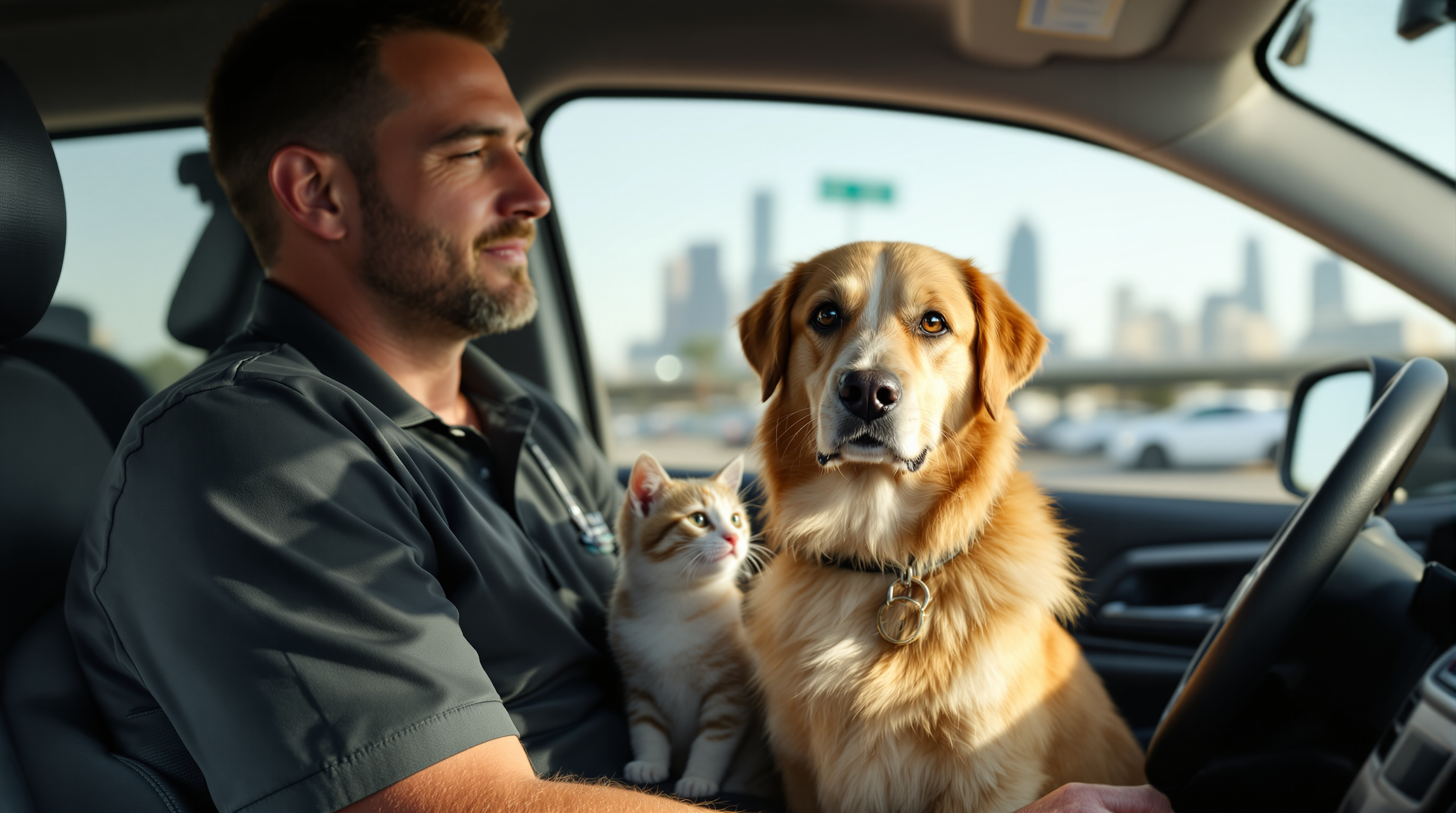
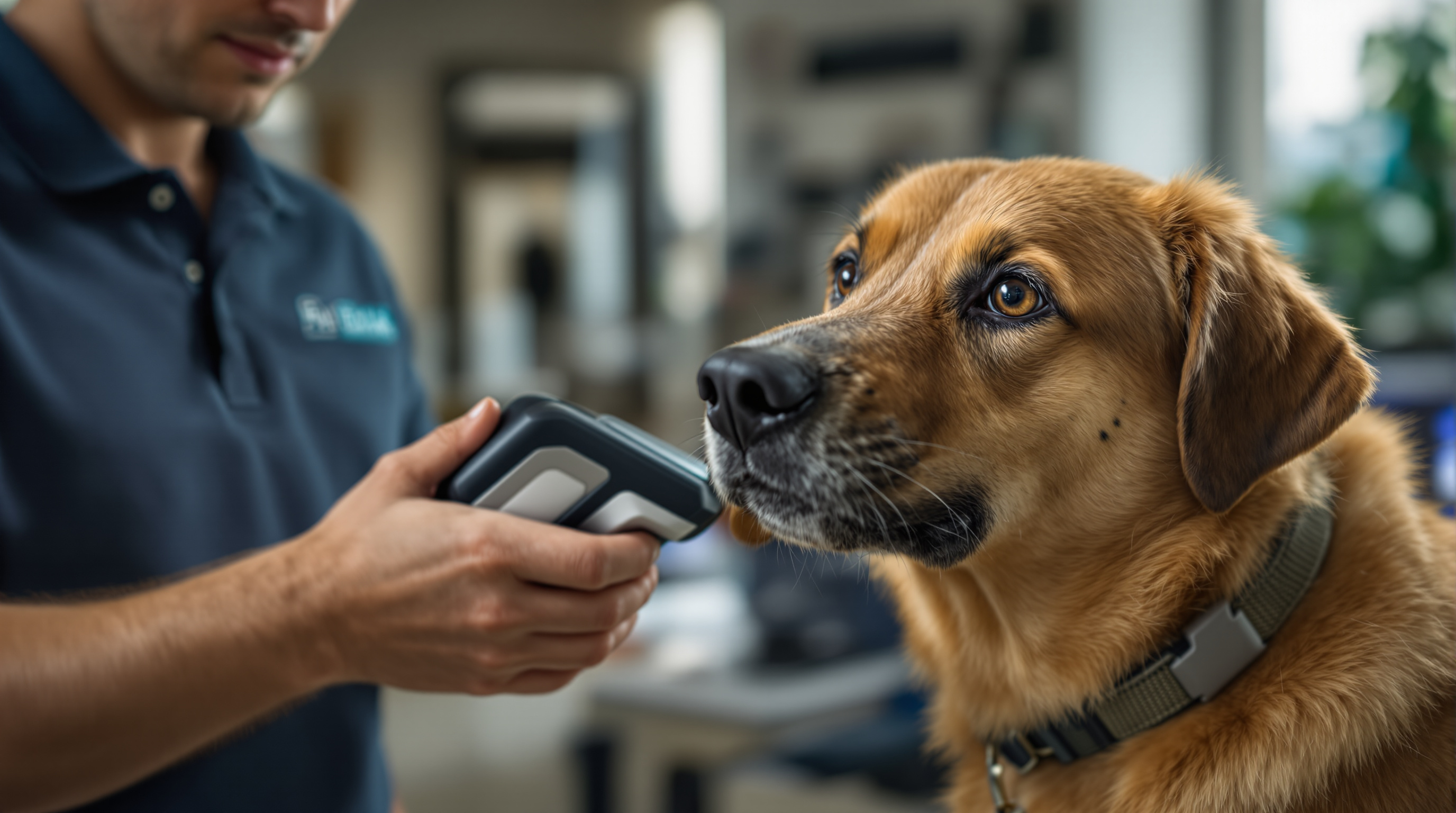
Microchipping is no longer optional for cross-border pet transport, it is mandatory for both U.S. and Mexican regulations. The microchip serves as permanent identification and is scanned at border checkpoints to verify ownership and health records.
The microchip must be ISO-compliant (International Organization for Standardization 11784 or 11785) and registered with an international database such as HomeAgain, AKC Reunite, or a Mexican registry. Older microchips (non-ISO) may not be readable at Mexican checkpoints and will cause delays.
CBX Pet Care verifies your pet’s microchip or arranges implantation if needed. Microchip placement takes 10 minutes and costs $25-$50. Registration in the international database is separate and costs $10-$25 depending on the provider.
Rabies vaccination is the primary requirement, but USDA-APHIS also recommends current vaccinations for distemper (dogs) or feline panleukopenia (cats) to prevent outbreaks. Keep vaccination records in English and Spanish, have them translated if your vet did not provide a bilingual copy.
Pet medications also require documentation. If your dog or cat takes prescription medication, bring a copy of the prescription and a letter from your veterinarian explaining the medical need, especially if the medication contains controlled substances.
The actual crossing process depends on whether you’re driving your pet yourself or using a pet transport service. Both have advantages and timelines.
If you’re taking your pet yourself, plan for 1-3 hours of wait time at the border, especially during peak hours (8 AM-10 AM, 4 PM-7 PM on weekdays). Here’s the typical process:
The process is straightforward if documents are complete and correctly formatted. Missing or illegible paperwork can result in rejection and a return trip to the veterinarian.
CBX Pet Care offers full-service cross-border pet transport for clients who prefer professional handling. Our team manages all documentation, schedules the border crossing during low-traffic times, and ensures your pet is calm and hydrated throughout. We transport pets in climate-controlled vehicles with proper ventilation and crating. For pets with anxiety or medical conditions, this service reduces stress significantly.
Let CBX Pet Care handle the paperwork and transport logistics
The total cost for cross-border pet transport depends on which services you need and whether you’re moving a single pet or multiple animals. Here’s what you can expect:
| Service | Cost Range |
|---|---|
| USDA Health Certificate | $60-$150 per pet |
| Mexican Health Certificate | $40-$100 per pet |
| Microchip Implantation and Registration | $35-$75 total |
| Rabies Vaccination | $25-$50 if not current |
| Professional Pet Transport (one-way, single pet) | $150-$250 |
| Additional Travel Distance | $2-$4 per mile beyond South Bay |
If you’re moving one dog or cat from San Diego to Tijuana and need all services, budget $350-$600 total. This includes both health certificates, microchip, rabies vaccination (if needed), and professional transport. If your pet already has a current rabies vaccine and microchip, your cost drops to $200-$350.
Families relocating with multiple pets receive discounted rates. A household of three cats or dogs typically costs $500-$900 for complete transport and documentation.
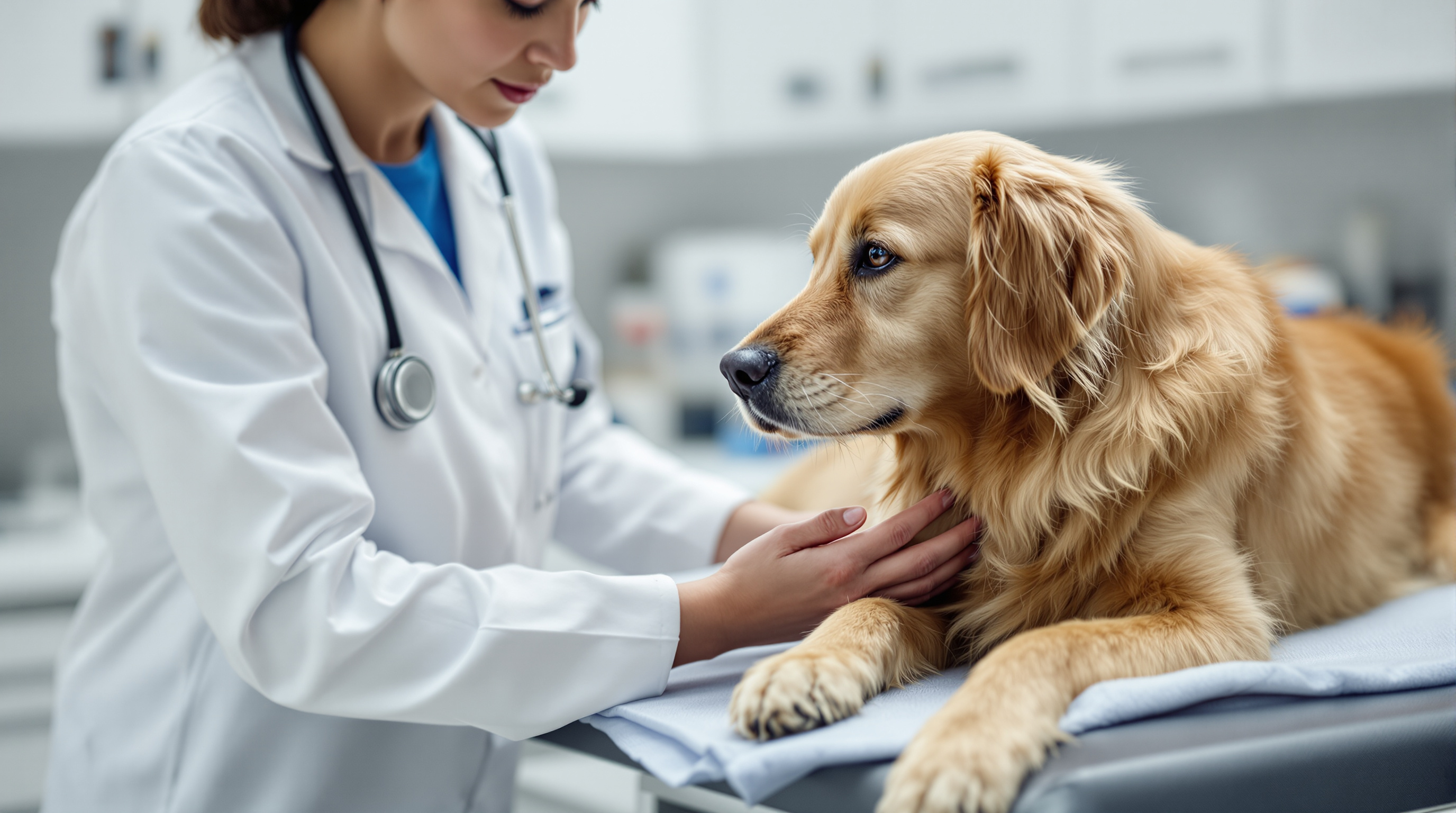
Many San Diego pet owners are unaware that veterinary services in Tijuana are more affordable than in California, and qualified bilingual veterinarians are readily available. CBX Pet Care coordinates with licensed Mexican veterinarians for health certificates, microchipping, and ongoing care for pets living in Tijuana or traveling between the border.
Veterinary costs in Tijuana are 30-50% lower than San Diego. A routine exam costs $30-$60 in Tijuana versus $80-$150 in San Diego. Vaccinations, dental cleaning, and minor procedures follow similar price gaps. For families with multiple pets or those on a fixed income, establishing care with a Tijuana veterinarian through CBX Pet Care provides regular checkups and emergency services at accessible rates.
Our partner veterinarians in Tijuana speak English and Spanish, understand U.S. import requirements, and issue health certificates that comply with USDA standards. They use modern equipment, maintain sanitary conditions, and have experience handling anxious or senior pets.
If your pet lives in Tijuana but you visit San Diego frequently, CBX Pet Care can coordinate care on both sides of the border. Medical records are shared securely with your permission, ensuring your pet receives consistent treatment regardless of which country the exam occurs in.
We’ve seen hundreds of pet owners turned back at the border because of preventable errors. Here are the top mistakes:
Plan ahead. If you’re moving your pet to Tijuana, allow 2-3 weeks for full preparation.
Schedule a vet appointment in San Diego for a USDA health exam. The certificate is valid for 10 days from the exam date, so timing matters. If your pet’s rabies vaccine expires within 30 days, get a booster now.
Once the USDA certificate is ready, arrange an exam with a Mexican veterinarian in Tijuana or a San Diego vet accredited to issue Mexican certificates. This typically takes 2-3 business days. Microchipping (if needed) happens during this visit.
With both certificates, microchip registration, and proof of ownership, you’re ready to cross. CBX Pet Care can schedule your appointment and handle transport logistics during this final week.
If you’re adopting a pet from a Tijuana shelter or rescue, expect 4-6 weeks because health testing and behavioral assessment add time before the pet is cleared for transport.
San Diego summers are mild (70-80°F), but Tijuana can reach 90°F+, especially in August and September. Heat stress affects pets during border waits, particularly brachycephalic breeds (bulldogs, pugs) that struggle in warm weather. Schedule crossings for early morning or late afternoon to avoid midday heat.
Winter is ideal for pet transport. December through February offer comfortable temperatures and slightly shorter wait times due to reduced traffic. Pets traveling with medications (insulin, heart meds, anxiety treatments) should be transported during mild weather and with extra cooling supplies if traveling in summer.
CBX Pet Care is bonded and insured to transport pets across the San Diego-Tijuana border. Our team includes certified pet handlers with experience managing anxious, senior, and medically fragile animals. We offer:
Our service area includes San Ysidro, South Bay (Chula Vista, National City, Otay Mesa), downtown San Diego, and inland neighborhoods up to Escondido. Tijuana service areas include Centro, Zona Rio, Playas de Tijuana, and surrounding suburbs.
Get a free quote from CBX Pet Care today. We handle all border crossing details so you focus on settling in.
Contact us for a free, no-obligation estimate. We'll respond within 2 hours.
