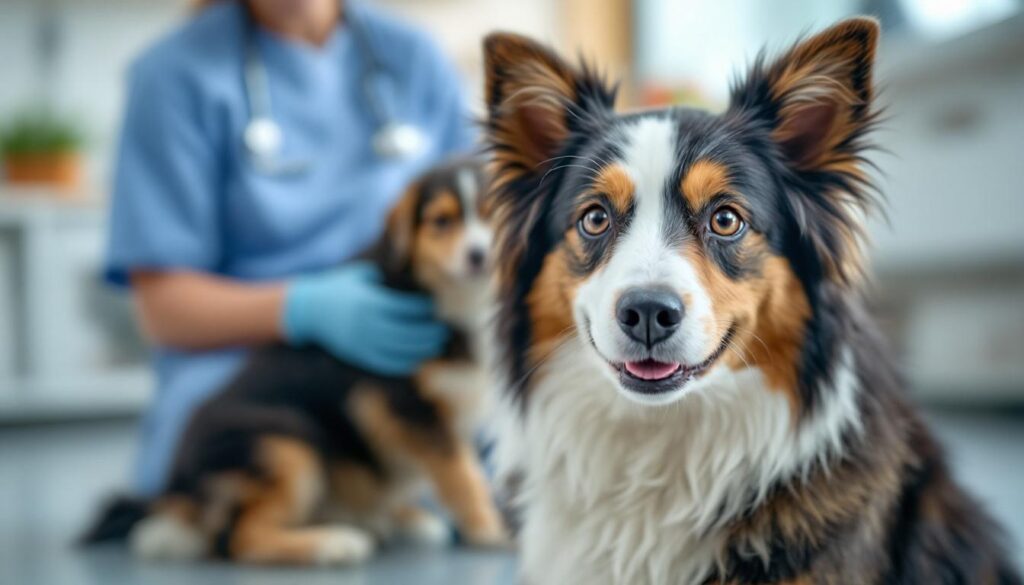
A veterinary clinic in Tijuana offers San Diego pet owners significant savings on dental cleanings, surgeries, and routine checkups—often costing a fraction of California prices. However, cross-border veterinary care requires planning, proper documentation, and understanding U.S. import regulations for safe pet travel.
Cost is the obvious draw, but it’s not the only reason pet owners make the trip. Many Tijuana veterinary clinics operate with modern equipment, board-certified veterinarians, and wait times shorter than busy San Diego practices. You’ll often get same-week appointments instead of waiting three weeks.
The price gap exists because overhead in Tijuana is lower—rent, utilities, and staff salaries don’t match California’s cost of living. Veterinarians in Tijuana earn less than their San Diego counterparts, but many are equally skilled, with education from prestigious Mexican and international veterinary schools.
A typical cost comparison:
Beyond cost, the border location gives San Diego pet owners a practical advantage: you can schedule procedures on a weekend or day off, take your pet across, and return home within 24-48 hours for most routine work.
CBX Pet Care handles cross-border transport and documentation so you focus on your pet’s health
Not all Tijuana veterinary clinics are created equal. The difference between a modern, well-equipped practice and a bare-bones clinic can be significant. Here’s how to vet your options.
Ask for recommendations in San Diego pet owner Facebook groups—locals who’ve taken pets to Tijuana will steer you toward reputable clinics. Read reviews on Google Maps and Yelp, but remember that reviews can be posted by anyone, so look for patterns rather than single posts.
Call ahead and ask specific questions: Is the veterinarian board-certified? What vaccines and medications do they stock? Do they have surgical suites and anesthesia equipment? Can they provide USDA health certificates? A clinic that hesitates to answer these questions isn’t worth your time.
If possible, cross the border and tour the facility before scheduling your pet’s procedure. Look for clean examination rooms, organized medical records, and staff who speak English if that’s your preference. Ask to meet the veterinarian briefly and discuss your pet’s medical history.
Pay attention to how they handle animals and interact with other pet owners. A good clinic will take time to explain procedures and answer questions without rushing you out the door.
Most English-speaking San Diego pet owners go to clinics in central Tijuana, near the Avenida Revolución area or in the Zona Urbana neighborhoods like Hipódromo or Agua Caliente. These areas have higher concentrations of international clientele and English-speaking staff.
Clinics closer to the border (near San Ysidro or the Tijuana River valley) may offer lower prices but sometimes have older facilities. Clinics further into Tijuana (toward Playas de Tijuana on the coast) tend to be newer and pricier but still undercut San Diego rates.

This is the critical part most pet owners overlook: returning to the U.S. with a pet requires proper documentation, and not every Tijuana veterinary clinic knows how to fill out USDA forms correctly.
Your pet must have a USDA health certificate issued by a USDA-accredited veterinarian. This certificate confirms your pet is healthy and vaccinated against rabies. Without it, U.S. Customs and Border Protection can deny entry or quarantine your pet.
Here’s what the process requires:
Critical warning: Many Tijuana veterinary clinics are NOT USDA-accredited. They can provide excellent medical care, but their paperwork won’t satisfy U.S. Customs. Confirm with the clinic in advance that they can issue a valid USDA health certificate.
Plan ahead. If your pet needs a rabies vaccination, schedule that during your veterinary visit in Tijuana. The health certificate is only valid for 10 days after it’s signed, so if you need time for post-operative recovery or have a multi-day procedure, time it so the certificate is signed close to your crossing date.
Some Tijuana clinics will rush-process health certificates if you call ahead, but don’t count on it. Build a buffer into your timeline.
Bringing your pet to Tijuana requires more than just loading them in the car. Preparation prevents stress and complications.
Gather your pet’s medical records from your San Diego veterinarian and bring them with you. The Tijuana clinic needs to know your pet’s medical history, any medications they’re on, and allergies. This is especially important if your pet is having surgery.
If your pet has had previous surgeries or health issues, bring documentation. The Tijuana veterinarian can’t provide safe care without this information.
Book your appointment at least one week in advance. Many Tijuana clinics accept walk-ins, but you’ll have shorter waits and better veterinarian availability if you schedule ahead.
Plan to spend 2-4 hours on the Mexico side if you’re just doing an exam or dental cleaning. For surgeries, you’ll need to drop off your pet in the morning and pick them up the same day or the next day, depending on the complexity.
Bring your pet’s regular food and any medications they take. Tijuana clinics may not have your pet’s specific diet, and if your pet is fussy, hunger won’t help their stress levels.
Bring a carrier or secure leash. The border crossing (particularly San Ysidro) is chaotic, and loose pets can bolt or get lost. Keep your pet’s microchip information current and ensure your contact number is registered with the microchip company.
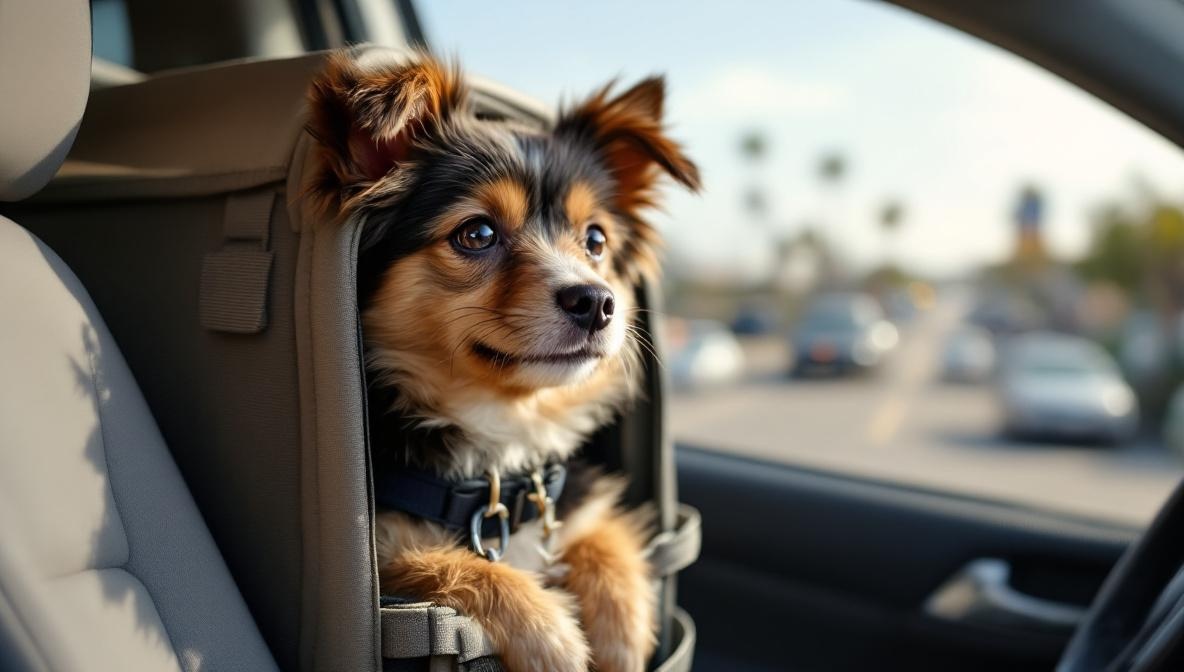
Border crossing with a pet is straightforward if you have the right documents and understand what U.S. Customs wants to see.
U.S. Customs doesn’t require paperwork to leave the U.S. with your pet. You’ll drive across the San Ysidro border and into Tijuana without any checks. If you’re driving your own car, have your vehicle registration and driver’s license ready for the Mexican border (they may or may not ask to see them, but be prepared).
Park near your veterinary clinic or use a parking lot if the clinic doesn’t have its own. Keep your pet leashed or in a carrier while walking through streets.
This is where documentation matters. When you approach U.S. Customs at the San Ysidro port of entry, you’ll pass through the vehicle checkpoint. CBP officers may ask about your pet. Have your USDA health certificate ready to show.
Here’s what happens:
Keep the health certificate accessible—in your glove compartment, not buried in luggage. The inspection usually takes 5-10 minutes at the border if you have proper documents.
If you don’t have a valid USDA health certificate, CBP can confiscate your pet or deny entry. Plan to be delayed if this happens, or your pet may be quarantined. This is not a risk worth taking.
CBX Pet Care handles the logistics of cross-border transport, so you don’t have to drive your pet to Tijuana yourself. This option works well if you’re uncomfortable driving across the border or if your pet is anxious about car travel. The transport service manages the border crossing, coordinates with the veterinary clinic, and returns your pet to you on the California side with all required paperwork.
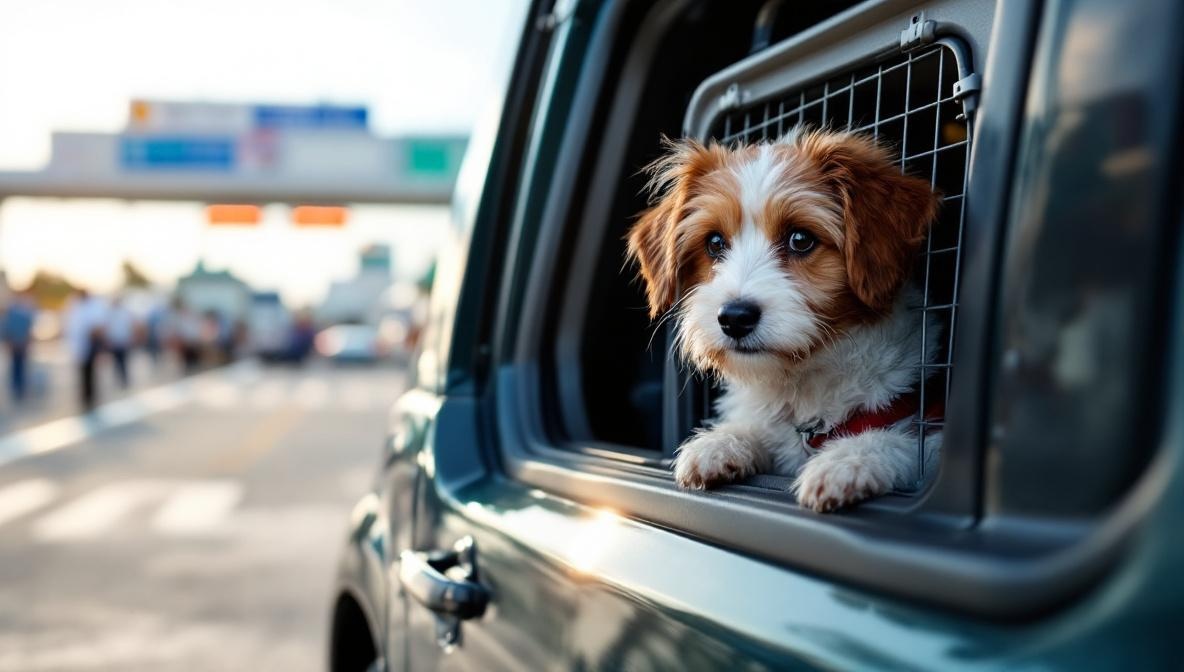
Cross-border veterinary care is safe when you choose a reputable clinic, but there are real considerations to think through.
Any surgical procedure carries infection risk, regardless of location. The difference is follow-up care. If your pet develops a post-operative infection after a Tijuana surgery, you need access to a San Diego veterinarian who can examine the surgical site and prescribe antibiotics if needed. Confirm before surgery that your regular San Diego vet will accept post-op care for work done in Tijuana.
Ask the Tijuana clinic about their infection rates for common surgeries and what support they offer if complications arise after you’ve crossed back to the U.S.
The Tijuana clinic will send you home with post-operative instructions and medications. Make sure you understand them, get everything in writing, and ask for phone numbers in case questions come up. Many Tijuana clinics are happy to answer follow-up questions by phone for days after a procedure.
If your pet is prescribed antibiotics or pain medication, you can fill those prescriptions at a San Diego pharmacy. Some Tijuana medications are not available in the U.S., so having a San Diego vet as backup is important.
Quality Tijuana clinics use modern anesthesia protocols, monitor patients during surgery with equipment, and have experienced surgical staff. Cheaper clinics may cut corners on anesthesia monitoring. This is why touring the clinic and asking about their surgical setup matters.
Ask if they use pre-operative bloodwork to screen for anesthesia risk, especially for older pets or those with health conditions. Good clinics do this as standard practice.
Beyond the veterinary procedure itself, there are other costs to factor in.
Tijuana prices vary, but here’s a realistic range based on 2026-2026 market rates:
USDA health certificate: $20-50 (usually included with veterinary procedures, but ask)
Gas to the border: $5-15 depending on your starting point in San Diego. If you’re in East County (El Cajon, Ramona), the San Ysidro crossing is about 45 minutes south.
Parking in Tijuana: $3-10 for a few hours. Most parking lots in central Tijuana are watched by attendants.
Pet transport service: $75-200 if you hire a company like CBX Pet Care to handle transport instead of driving yourself.
Follow-up care in San Diego: Budget for a post-operative check with your regular vet ($75-150) a week after the procedure. Many San Diego vets will examine work done in Tijuana for a standard exam fee.
Dog spay surgery:
The savings are real but not astronomical once you factor in follow-up care and transport. The bigger advantage for most San Diego pet owners is that they can get faster appointments and access to care they might otherwise delay.
Cross-border care isn’t the only option for budget-conscious San Diego pet owners. A few alternatives exist.
Companies like Vetster and Chewy offer online vet consultations for $40-100. These work well for minor issues, medication refills, or second opinions but can’t replace in-person exams for surgery or complex problems.
San Diego County has several low-cost veterinary clinics funded by nonprofits. Prices are 30-50% lower than private practices. The Veterinary Institute in San Diego and Project Pets are examples. Waits can be long, but prices are competitive with Tijuana for some services.
Many San Diego pet owners use a hybrid approach: routine care and vaccines from a San Diego clinic, major surgeries in Tijuana. This balances cost savings with the convenience of having a familiar local vet for follow-up and emergencies.
Cross-border care isn’t appropriate for every situation. Know when to stay local.
If your pet is injured, bleeding, or showing acute distress, go to an emergency vet clinic in San Diego. The 45-minute drive to Tijuana is too long when time matters. San Diego has 24-hour emergency clinics in areas like Chula Vista, Clairemont, and Oceanside.
If your pet has chronic health conditions or complicated medical history, your regular San Diego vet knows their baseline and history. Specialist care (cardiology, oncology, orthopedics) is usually better accessed through San Diego practices, which have equipment and specialist referral networks.
If something goes wrong after a Tijuana procedure, you need immediate access to a veterinarian who can examine your pet in person. Relying on phone calls to a Tijuana clinic when your pet is in the U.S. is risky.
Use this checklist when evaluating clinics:
No permit is required to bring your pet into Mexico. You just need proof that your pet is vaccinated against rabies if you want to return to the U.S. without complications. The USDA health certificate is what matters when crossing back into the U.S., not when leaving.
Most Tijuana veterinary clinics can handle emergencies during their business hours. Call ahead and ask about emergency protocols. If your pet needs care outside clinic hours, there are 24-hour emergency veterinary hospitals in Tijuana, though English-language communication may be limited. This is another reason to tour the clinic beforehand and get their after-hours contact information.
Yes, but call your San Diego vet in advance to confirm they’ll accept post-operative care for procedures done elsewhere. Most will, and they’ll charge a standard exam fee ($75-150) to evaluate the surgical site and clear your pet for normal activity. Having a San Diego vet review the work gives you peace of mind and ensures smooth communication if complications arise.
Yes. Rabies vaccines used in Tijuana are FDA-approved and identical to those in the U.S. The rabies vaccination itself is recognized by both countries. What matters for border crossing is the USDA health certificate issued by an accredited veterinarian, not where the vaccine came from.
Take your pet to your San Diego veterinarian for an exam. Bring the paperwork from the Tijuana clinic so your local vet understands what was done. If you suspect an infection or complication, don’t wait—get your pet evaluated within 24 hours. Most San Diego vets will work with you to determine if the issue is related to the procedure and whether the Tijuana clinic should be contacted or if local treatment is needed.
Tijuana veterinary clinics offer real value for San Diego pet owners who do their homework. The key is choosing a reputable, USDA-accredited clinic, understanding the cross-border process, and having a plan for follow-up care on the U.S. side.
Start by asking local pet owner groups for recommendations. Schedule a tour of any clinic before booking your pet’s procedure. Confirm USDA accreditation in writing. Build time into your schedule so the health certificate can be signed close to your crossing date. And plan to have a San Diego vet available for post-operative checks.
For San Diego pet owners who need help navigating the cross-border process, CBX Pet Care provides transport services, veterinary coordination, and documentation support. We handle the logistics so you can focus on getting your pet the care they need at a price that works for your budget.
We’ll guide you through clinic selection, border crossing, and all required documentation
619-914-2990 Related: Veterinary Services Tijuana: Complete Guide for San Diego Pet Owners in 2026 Related: Are Vets in Mexico Good? What San Diego Pet Owners Should Know
Our bilingual team is ready to help. Get a free estimate for veterinary care in Tijuana.
