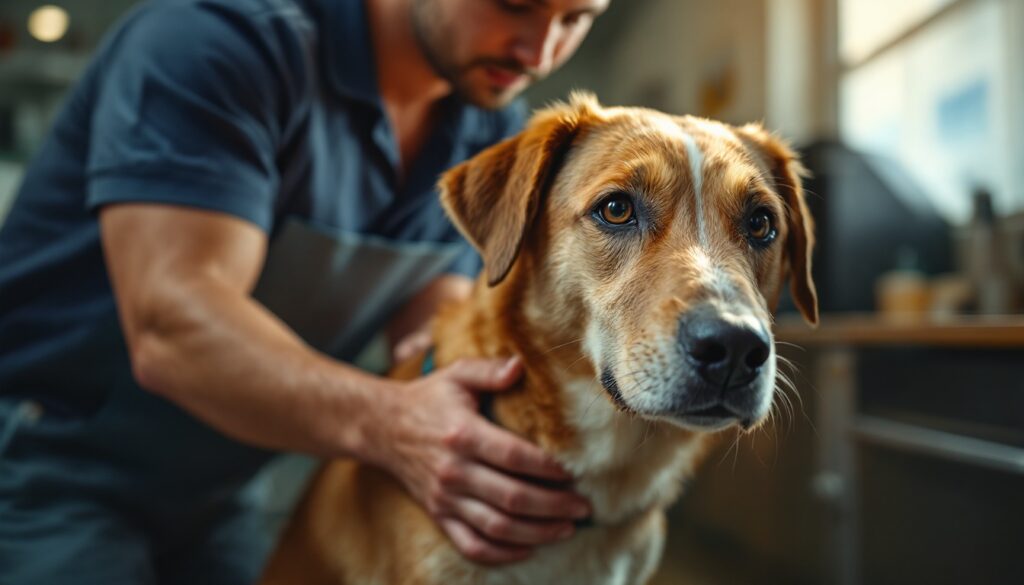
Cross border pet transportation from San Diego to Tijuana requires careful planning and compliance with strict regulations. Both U.S. and Mexican authorities enforce specific rules, health requirements, and inspection protocols. Without proper preparation, your pet could face delays, denial of entry, or quarantine. This guide covers every essential step—from vaccination deadlines to the actual crossing—ensuring your pet moves safely and legally.
The first mistake pet owners make is assuming their U.S. vaccination record is enough. It’s not. Mexico requires current health certificates, specific vaccinations, and USDA-APHIS (Animal and Plant Health Inspection Service) documentation for most pets entering the country.
When you cross from San Ysidro, South Bay, or anywhere in San Diego County into Tijuana, Mexican customs inspectors physically examine your pet’s papers. They look for:
The U.S. also has regulations when your pet returns. While re-entry is generally simpler, CBP (Customs and Border Protection) officers can ask to see proof that your pet is microchipped and up-to-date on vaccines—especially rabies.
Pro Tip: Many San Diego vets do not file USDA health certificates or Mexican import permits. Find a veterinarian experienced in cross-border transport. CBX Pet Care can connect you with trusted clinics in the South Bay and downtown San Diego that specialize in this work.
Getting your pet across the border starts weeks before departure, not days. Here’s the timeline you need to follow:
Contact a USDA-accredited veterinarian in San Diego who has experience with Mexican import requirements. Not all vets do this work, so ask directly: “Do you issue USDA health certificates and file Mexican import permits?”
During your first visit, the vet will review your pet’s vaccination history and identify any gaps. If your dog’s rabies vaccine expired three months ago, it needs to be updated now—not the week before you travel.
Your veterinarian will help you file a SENASICA (Mexican agricultural authority) import permit. This step requires:
Processing typically takes 2-3 weeks. Once approved, you’ll receive a permit number. Print it and bring it with you.
Mexican law requires a health certificate dated within 10 days of your crossing. Schedule your final vet exam 5-7 days before departure. During this visit, the vet will:
The health certificate is a legal document. Keep the original with you during the crossing—not in your checked luggage.
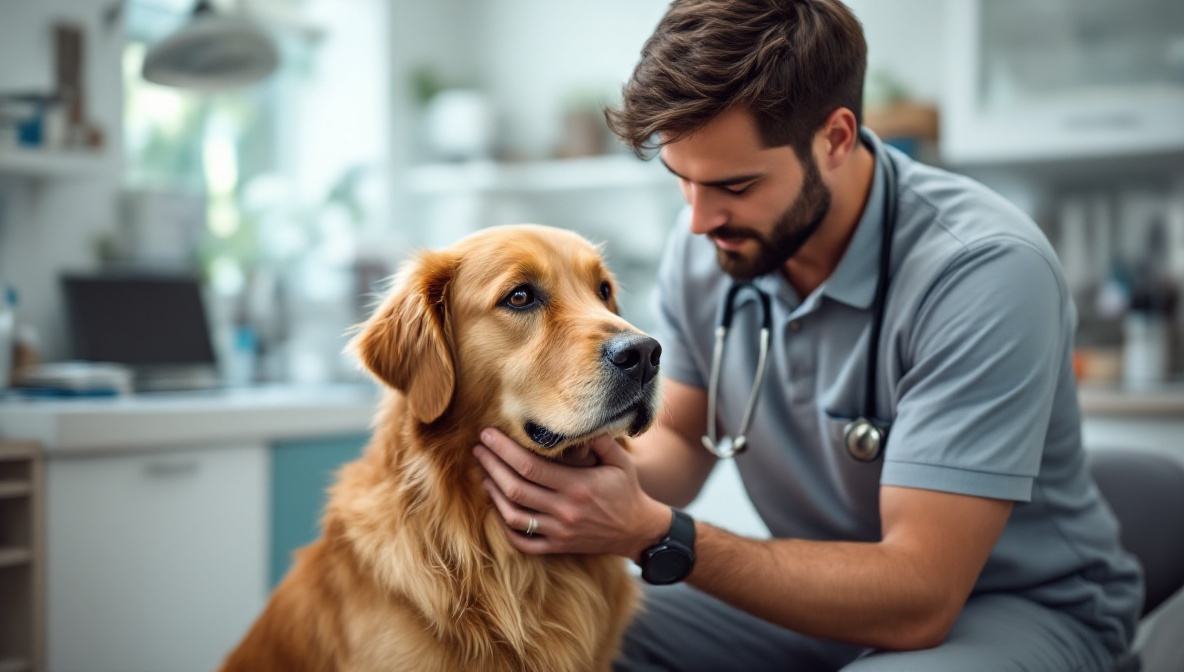
CBX Pet Care handles all documentation and coordinates with USDA-accredited vets
Different pets need different vaccines. Here’s what Mexico requires:
Rabies vaccination is non-negotiable. Mexico also requires proof of DHPP (distemper, hepatitis, parvovirus, parainfluenza) vaccination. Most U.S. dogs get this as part of routine care, but ask your vet to confirm the date and that it’s within the valid period.
Additional vaccines like Bordetella (kennel cough) or Lyme are not required by Mexican law, but your vet might recommend them depending on your dog’s lifestyle in Tijuana.
Cats need rabies and FVRCP (feline viral rhinotracheitis, calicivirus, panleukopenia) vaccination. If your cat is indoor-only in the U.S., it still needs these vaccines to enter Mexico.
Some vets recommend feline leukemia (FeLV) testing and vaccination, though not legally required. Discuss this with your veterinarian based on your cat’s risk factors.
Birds require health certificates and microchipping. Some species need USDA import permits. If you’re transporting a parrot, macaw, or exotic bird, contact your vet at least 8 weeks early—these cases often need additional permits and testing.
Rabbits and small mammals require health certificates but may not need specific vaccinations. However, they must be microchipped or have permanent identification. Mexico treats these animals more strictly than the U.S., so plan extra time.
You have three main options: drive your pet yourself, use a pet transport service, or hire a pet concierge like CBX Pet Care.
If you live in San Ysidro, Chula Vista, or South Bay, driving to Tijuana is straightforward geographically. You head south on I-5 or Highway 905 toward the San Ysidro border crossing. But driving yourself means:
Driving works if your pet travels well and you’re comfortable with border procedures. The cost is minimal—just gas and your time.
Some companies specialize in pet transport. They pick up your pet in San Diego, handle paperwork, and deliver to your Tijuana address. Costs typically range from $300-$600 one way depending on the pet and service level.
Verify that any transport company is bonded and insured for cross-border movement. Ask for references from recent clients and confirm they have USDA knowledge.
A pet concierge coordinates your entire move. They work with USDA-accredited veterinarians to obtain health certificates, file Mexican permits, arrange transport, and guide you through each checkpoint. CBX Pet Care operates throughout San Diego and Tijuana, meaning we know the exact paperwork each crossing station requires and which vets are fastest and most reliable.
This option costs more ($400-$800 depending on complexity), but removes stress and eliminates the risk of delays or rejection at the border.
Most pet owners crossing from San Diego to Tijuana use the San Ysidro port of entry. Here’s what to expect on the Mexican side:
After you pass through U.S. Customs (outbound), you’ll enter Mexican territory. You’ll see a separate animal inspection area. If you’re driving, look for signs that say “Inspección Veterinaria” or ask an officer.
Present your pet and all documentation to the Mexican veterinary inspector. Have the following ready:
The inspector will physically examine your pet, check the microchip number against the paperwork, and verify vaccine dates. This usually takes 5-15 minutes.
Inspectors turn pets away for:
If your pet is rejected, you must return to the U.S. side. The process cannot be rushed—do not attempt to cross without complete, accurate documents.
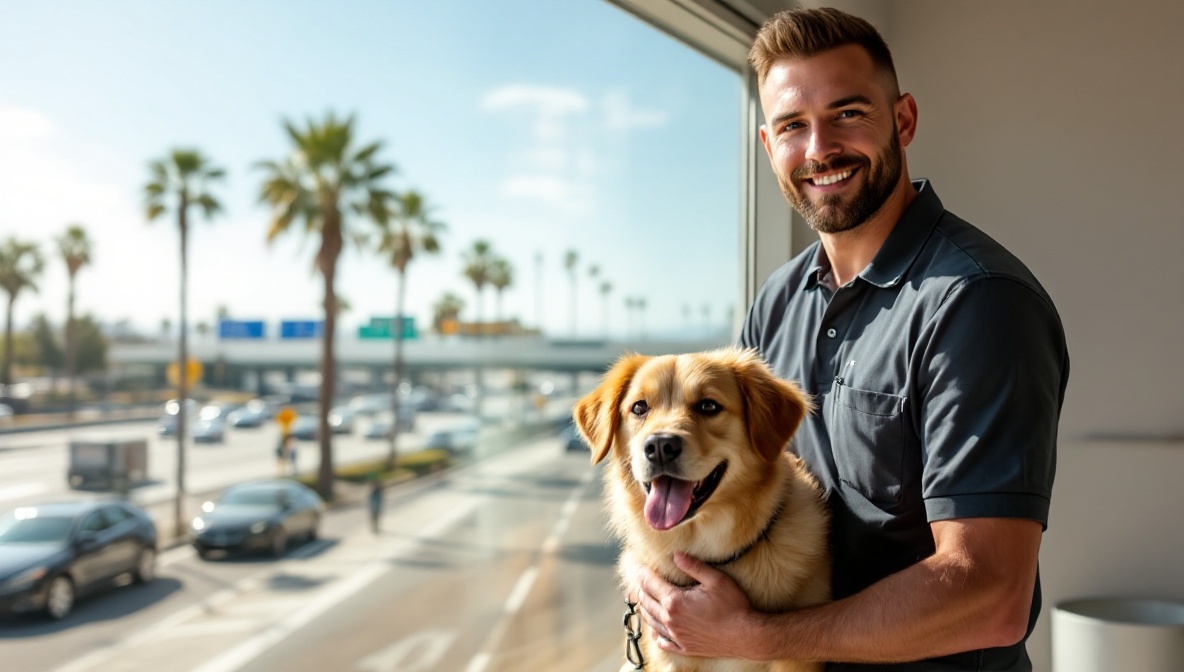
Re-entry from Mexico to the U.S. is simpler than entry but still has requirements. CBP officers at the San Ysidro or other crossings will ask:
Have your pet’s microchip number memorized or written down. If your pet received veterinary care in Tijuana, bring that documentation—it shows the pet is healthy.
U.S. Customs does not require a new health certificate for dogs or cats returning from Mexico. However, if your pet traveled to Mexico and back within 30 days, some employers or schools may ask for proof of re-entry. Ask CBP for a stamp or receipt confirming the crossing date.
San Diego and Tijuana have mild winters and warm summers, but crossing during extreme weather affects your pet’s comfort and health.
Temperatures in San Diego often reach 75-85°F, and Tijuana can hit 90°F+. If you’re driving, never leave your pet in a parked car—even with windows cracked. The interior can reach deadly temperatures in minutes.
Cross early in the morning or late afternoon to avoid midday heat. Bring water, a portable water bowl, and a cooling mat if your pet gets anxious.
Rare but possible: winter storms can cause flooding on I-5 near the border or delays at the crossing. Overnight crossings in winter require extra preparation—bring a pet blanket, food for extended delays, and medications.
Thanksgiving, Christmas, and spring break cause 2-4 hour waits at San Ysidro. If you’re crossing during these periods, budget extra time and bring supplies for your pet: food, water, a comfortable carrier, and toys to reduce stress.
Here’s what you’ll likely spend moving a dog or cat from San Diego to Tijuana:
Total DIY Cost: $150-$360 (if you drive and handle paperwork yourself)
Total with Professional Help: $400-$800 (removes stress and ensures compliance)
Prices vary by veterinarian and service provider. Ask for itemized quotes before committing.
Learning from others’ errors can save you time, money, and heartbreak:
The 10-day rule is strict. If your health certificate is dated 11 days before crossing, it’s expired. Many vets can’t issue certificates on short notice, so plan at least 3 weeks ahead.
Some owners assume the USDA health certificate is enough. It’s not. Mexico’s SENASICA requires a separate import permit filed weeks in advance. Without it, your pet will be refused entry regardless of other documents.
While not legally required, a microchip with your current phone number and address is your pet’s best insurance if they’re lost. Mexican veterinary inspectors specifically check for it, and it speeds up the inspection process.
A pet with diarrhea, coughing, or discharge will be rejected. Even minor symptoms can trigger a quarantine hold. Wait until your pet is completely healthy.
Handwritten notes or old vet records aren’t acceptable. The health certificate must be on official USDA letterhead, signed and dated by a licensed veterinarian, and reference the exact vaccine used, lot number, and expiration date.
No. Mexican customs will refuse entry if you don’t have a USDA health certificate signed by a licensed veterinarian dated within 10 days of crossing. The penalty is immediate return to the U.S. with no entry allowed.
A USDA health certificate typically costs $75-$150 depending on your San Diego veterinarian and whether it’s part of a routine exam or an additional service. Some vets bundle it with the final wellness check.
If your pet lives in Tijuana permanently, you file one import permit. If you’re making frequent short trips back and forth, you may need separate permits for each crossing or a multi-entry permit—ask SENASICA or your veterinarian about your specific situation.
Your pet must have a current rabies vaccination to re-enter the U.S. If it expires while you’re in Tijuana, find a Mexican veterinarian to administer a new dose before returning. The vaccine date must appear on a health certificate issued by that vet for re-entry.
Birds and reptiles require health certificates, import permits, and often additional USDA permits depending on species. Some species are prohibited entirely. Contact your veterinarian or CBX Pet Care at least 8 weeks before travel to confirm your pet is eligible.
Find a licensed Mexican veterinarian immediately. Tijuana has several reputable clinics. Keep all treatment records and have the vet issue a health certificate stating your pet is fit to travel before re-entering the U.S. If your pet received medication, bring the original prescription bottle (pharmacist labels are often not accepted at the border).
Handling it yourself costs $150-$360 if everything goes smoothly. Hiring a pet concierge costs $400-$800 but eliminates the risk of paperwork errors, long border waits, and rejection. Many owners find the peace of mind worth the extra cost, especially for multi-pet households or complex cases. Related: Pet Transport San Diego to Tijuana: Complete Cross-Border Pet Care Guide
Our bilingual team is ready to help. Get a free estimate for veterinary care in Tijuana.
