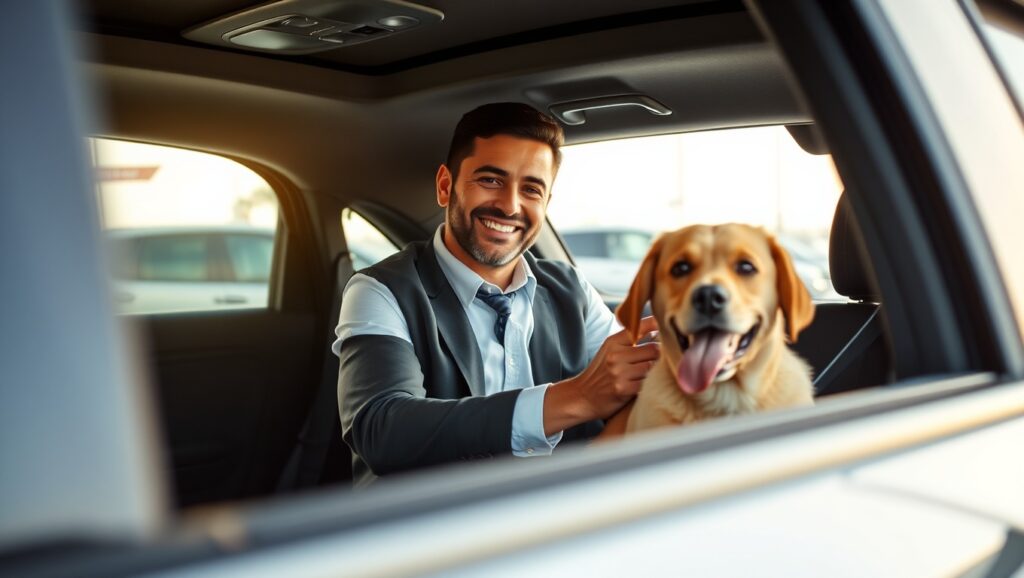
Pet transportation services in San Diego handle the complex process of moving your pet across the San Diego–Tijuana border, managing USDA health certificates, carrier setup, stress management, and border crossing logistics. CBX Pet Care specializes in cross-border pet transportation, ensuring your animal arrives calm, healthy, and on time.
Whether you’re relocating to Tijuana, traveling temporarily, or helping a friend bring a pet into the US, professional pet transportation services handle the logistics that most owners don’t even know exist.
The San Diego–Tijuana border is one of the busiest land crossings in North America. Crossing with a pet is not like crossing alone. The USDA-APHIS (Animal and Plant Health Inspection Service) requires specific documents, health checks, and microchip verification that must be in place before you step up to a CBP (Customs and Border Protection) booth.
Many pet owners arrive at the border unprepared and face delays, confiscation risks, or costly fines. Professional pet transportation services eliminate that uncertainty.
To bring a dog or cat into the US from Mexico, you need a USDA health certificate issued by a licensed Mexican veterinarian within 10 days of travel. The certificate must include rabies vaccination records, a physical examination, and microchip information. If your pet is coming from Tijuana into California, the Mexican vet must also note any parasitic treatments.
Returning to Mexico from San Diego is slightly simpler but still requires proof of current rabies and DHPP (or FVRCP for cats) vaccinations. Many owners don’t realize that vaccination records from years ago don’t meet current standards—vets must confirm the vaccine is still valid.
Pet transportation services keep these requirements front-and-center. They coordinate with veterinarians on both sides of the border, schedule health certificates in advance, and prepare all paperwork so you don’t hit a snag at the crossing.
Border crossings create sensory overload for pets: engine noise, exhaust, loud voices, long waits in moving vehicles. Anxious or reactive animals can injure themselves or staff during the crossing process. Professional handlers are trained to recognize stress signals—panting, pacing, trembling—and know how to manage them before they escalate.
Experienced transporters use calming techniques, proper crate placement, climate control, and sometimes veterinarian-approved calming aids (like pheromone sprays) to keep your pet settled. This also reduces the risk of behavioral incidents that could delay the crossing or get your pet held for observation.
CBX Pet Care handles all cross-border logistics so your pet travels safe and stress-free
Professional pet transportation is not a simple car ride. The service bundles coordination, documentation, handling, and follow-up care into a complete package.
Services begin weeks before your travel date. Transporters work with US and Mexican veterinarians to schedule health exams, update vaccination records, and issue USDA-compliant health certificates. They verify that your pet’s microchip information matches border databases and confirm all dates align with travel schedules.
Many pet owners don’t realize that a health certificate is not something you can obtain on the day of travel. The 10-day window (or similar requirement depending on your destination) means planning must start in advance. Professional services handle this timeline automatically.
Not all pet carriers meet USDA or airline standards. Transportation services provide or verify that carriers are well-ventilated, secure, and sized appropriately for your pet. They also pack essential supplies: food, water, bowls, medications, comfort items, and spare collar and leash.
Carriers are labeled with your pet’s name, your contact information, and feeding/medication instructions. This attention to detail prevents lost items and ensures continuity of care if there are unexpected delays.
Trained pet transporters know the exact routes through San Ysidro, Otay Mesa, and Tecate border crossings. They know which lanes accept pet traffic, which inspection booths are pet-friendly, and how to position vehicles for minimal wait times. They also communicate with you in real time, providing updates as you approach the border and when you’ve crossed.
This transparency is crucial if delays occur—you’ll know the reason (vehicle inspection, document review) and an estimated resolution time, rather than sitting in the car wondering what’s happening.
After crossing, professional services confirm your pet has eaten, drank water, and is settling into the new environment. Some offer check-in calls 24–48 hours after arrival to catch any health concerns early. This continuity of care catches problems that a one-time delivery cannot.
Pet transportation costs vary based on distance, pet size, border crossing location, and urgency. In the San Diego area, cross-border pet transportation typically ranges from $250 to $600 for a single pet one-way transport within the San Ysidro or Otay Mesa corridor.
Basic Cross-Border Transport (San Diego to Tijuana or reverse): $250–$350 for a single dog or cat. This includes driver coordination, health certificate assistance, and basic communication. Otay Mesa crossings may be $50–$100 more due to longer drive times from central San Diego.
Multiple Pet Transport: Each additional pet adds $100–$150. A household moving two dogs and a cat might pay $450–$650 total.
Full Relocation Services (San Diego to interior Mexico): $600–$1,200+ depending on destination. A transport to Guadalajara or Mexico City includes longer driving, overnight care, and extended documentation handling.
Health Certificate and Veterinary Coordination: $50–$150 depending on whether the service arranges exams or if you provide pre-existing records. This is often rolled into the total quote.
Rush or Weekend Service: Add 20–30% to standard rates. Emergency transport on a Saturday or holiday incurs premium fees.
Most professional services offer free quotes over the phone or via email when you provide pet details (species, weight, vaccination status, destination, travel date). Pricing transparency upfront prevents surprise charges at the border or delivery.
Standard transportation usually includes driver time, vehicle maintenance, fuel, and basic communication. It does NOT typically include boarding, grooming, training, or veterinary medical procedures.
If your pet needs boarding while waiting for health certificates or while you finalize arrangements, that’s billed separately (typically $30–$50/day in San Diego). Grooming before travel is also a separate fee unless explicitly bundled.
San Diego has three major land border crossings. Each has different strengths for pet transportation, and professional services know which to recommend based on your situation.
San Ysidro is the busiest land border crossing in the US. It’s convenient if you’re traveling from central San Diego, downtown, or the North County. The crossing handles millions of vehicles annually, so infrastructure is mature—dedicated lanes, clear signage, and fast processing during off-peak hours (usually 6–10 AM and 2–6 PM weekdays).
However, peak times (holidays, weekends, afternoons) create long waits that can stress pets. Professional transporters time San Ysidro crossings carefully, often choosing early morning or off-season dates to minimize wait times. A 20-minute wait in a hot car can cause heat stress in brachycephalic breeds (bulldogs, pugs) and anxious animals.
Otay Mesa is 7 miles south of downtown San Diego and often has shorter wait times than San Ysidro, especially for commercial and international commerce. It’s a good option if you’re traveling from South Bay neighborhoods like Chula Vista, National City, or Bonita.
The crossing is newer (renovated in 2015) and pet-friendly inspection booths are available. Some pet transporters prefer Otay Mesa for this reason. Drive time from central San Diego is about 25 minutes longer than San Ysidro, so overall trip time is similar despite shorter border wait.
Tecate is the smallest crossing, about 45 minutes east of downtown San Diego. It’s ideal for pets if you’re already in East County (Ramona, Poway, Santee) or if you’re traveling to interior Baja or mainland Mexico. Wait times are often under 15 minutes even during midday.
The downside: Tecate is remote and there’s less cellular coverage during the crossing itself. Professional services using Tecate maintain communication before and after the crossing rather than real-time updates during.
Small, calm dogs and cats can handle any crossing if timing is right. Anxious, elderly, or health-compromised animals benefit from Tecate’s shorter wait times or early morning San Ysidro/Otay Mesa slots. Professional transporters assess your pet’s temperament and recommend the best route.
Not all pets cross the border the same way. Age, size, breed, and health status change how transportation services approach your animal’s care.
Older pets are prone to motion sickness, anxiety, and dehydration during travel. Professional services working with seniors schedule shorter trips, frequent water breaks, and may recommend veterinarian-approved anti-nausea or calming medication (with your vet’s consent).
Senior pets also need extra bathroom breaks. Transporters plan routes with designated stops and are patient with pets that need to relieve themselves multiple times. This adds time but prevents accidents in carriers and reduces stress.
Young pets cannot cross the border until they’ve completed their vaccination series and waited the required 30 days after final shots (typically around 16 weeks old). Health certificates for puppies and kittens require verification from a licensed vet that the animal is healthy enough to travel.
Young pets also have immature immune systems and are more vulnerable to stress-induced illness. Professional transporters minimize exposure, keep environments clean, and often recommend the quietest, shortest route possible.
Flat-faced dogs overheat easily and struggle to regulate temperature during car travel. They also have compromised airways that make stress-panting dangerous. Pet transportation services working with brachycephalic breeds use heavy air conditioning, avoid peak heat hours (typically 11 AM–4 PM in summer), and monitor breathing constantly.
These breeds often benefit from early morning crossings in summer and may need boarding in a cool facility while waiting for health certificates rather than sitting in a vehicle.
Pets with behavioral issues—extreme anxiety, resource guarding, aggression toward strangers—require specialized handling. Professional transporters with behavioral training can de-escalate stress, use desensitization techniques, and sometimes recommend pre-travel anxiety medication (prescribed by your vet).
Aggressive dogs may need muzzle training before travel so they stay safe during border inspections. A pet transportation service can coordinate this training in advance rather than surprising your animal at the crossing.
Not all pet transportation companies are equal. Look for specific credentials and practices that indicate professional, safe service.
A legitimate pet transportation service should be registered with the California Department of Transportation (CalTrans) if transporting across state lines, or have a USDOT number if crossing international borders. The business should carry liability insurance and be bonded—meaning if something goes wrong, you have financial recourse.
Ask for proof of insurance before booking. Reputable services provide this without hesitation.
Pet movers who’ve only transported pets locally may not know USDA-APHIS requirements or have relationships with Mexican veterinarians. Choose a service with specific cross-border experience and ask how many animals they’ve transported across the San Diego–Tijuana border in the past year.
A company that transports 50+ cross-border pets annually has deep expertise. A company that’s done one or two has limited insight.
Ask whether the service arranges health certificates or requires you to obtain them independently. Services that coordinate certificates (especially with Mexican veterinarians on the Tijuana side) reduce your administrative burden and ensure compliance. This is a significant value-add, not a red flag for upselling.
Read reviews on Google, Yelp, and local San Diego pet forums. Look for comments about professionalism, communication, pet handling, and problem-solving. One-off complaints happen, but patterns of lateness, poor communication, or animal stress indicate real issues.
Ask the service for references from customers who’ve transported pets similar to yours (especially if yours has special needs). A reference from someone who moved a senior dog or anxious cat is more relevant than a generic testimonial.
Reputable services provide written quotes that break down costs and specify what’s included. Avoid companies that quote vaguely or add surprise charges after booking. A written agreement should detail pickup time, route, expected arrival time, and who bears responsibility if delays occur due to border processing.
If you’re transporting a pet to Tijuana or interior Mexico, the agreement should clarify whether the service waits for customs clearance or hands your pet to Mexican authorities at the border. This is critical for liability.
Even with professional services, you play a critical role in preparing your pet for the journey. A well-prepared animal travels safer and calmer.
Schedule a vet visit 2–3 weeks before travel. Your vet should confirm your pet is healthy enough to travel (especially if it has underlying conditions), update or issue vaccination certificates, and check microchip information. If your pet’s microchip is registered in the US but being transported to Mexico, confirm it’s also registered with Mexican pet recovery databases.
Bring vaccination records to the appointment so the vet can update the health certificate. If your pet has allergies or medical conditions, ensure the transporter has a copy of relevant records and medication instructions.
If your pet has never traveled by car or spent time in a carrier, start training weeks in advance. Leave the carrier open in your home, place treats inside, and take short car rides without the carrier first. Gradually increase duration and add the carrier.
Desensitization reduces transport stress significantly. A pet that’s comfortable in its carrier and used to car rides stays calmer at the border, which means faster processing and lower risk of behavioral incidents.
Feed your pet a light meal 3–4 hours before travel (not right before, to prevent car sickness). Bring familiar food and fresh water, even though professional transporters also carry supplies. Familiar food reduces digestive upset if your pet is stressed.
Pack collapsible water bowls and offer water every 1–2 hours during longer trips. Dehydration can cause serious complications, especially in warm months or for senior pets.
If your pet takes medications (anxiety meds, pain relief, thyroid medication), pack extra doses in original bottles with pharmacy labels. Provide the transporter with written instructions, timing, and your vet’s contact if clarification is needed.
For pets with chronic conditions (diabetes, heart disease, seizures), inform the transporter upfront and provide emergency vet contacts on both sides of the border. Some transporters recommend boarding your pet with a veterinary facility for a few days before travel if the animal has serious conditions and you’re concerned about complications mid-journey.
Yes. The US requires a USDA health certificate issued by a licensed veterinarian within 10 days of entry. Mexico does not require one for US citizens bringing pets in temporarily, but if you’re relocating or leaving a pet in Mexico, additional documentation may be needed. Professional services verify all requirements for your specific situation.
Yes, you can cross with your own pet and proper documentation. However, if you’re stressed about paperwork, don’t know which border crossing to use, or have an anxious pet, professional transportation reduces hassle and risk. Many owners use transporters for peace of mind even though they legally can cross themselves.
CBP will likely deny entry and return your pet to Mexico, or confiscate it for quarantine. This is costly and stressful. Professional services catch vaccination gaps weeks in advance and coordinate updates with Mexican vets if needed. This prevents border-day surprises.
San Ysidro or Otay Mesa crossings typically take 1–2 hours total (including border wait). Tecate may take 45 minutes to 1.5 hours. Add drive time from your location (15–45 minutes depending on whether you’re in downtown, North County, or East County). Total door-to-door time is usually 2–4 hours for local San Diego crossings, up to 6–8 hours for interior Mexico.
Professional transporters carry first-aid supplies and know the location of emergency vet clinics on both sides of the border. If minor issues arise (mild diarrhea, anxiety), they manage it with supplies. For serious illness (difficulty breathing, collapse), they contact your vet or proceed to an emergency clinic immediately. Your agreement should specify who covers emergency vet costs—clarify this before booking.
Professional transport is better if you’re anxious about border procedures, your pet has special needs, or you don’t have a full day free to drive both ways. It’s also better if you’re moving to Mexico and won’t be returning—the transporter can hand off your pet to local caretakers on your behalf. Driving yourself is fine if your pet is calm, you have time, and you’re comfortable with documentation and border protocols.
CBX Pet Care manages every detail of your pet’s cross-border journey, from health certificates to border crossing coordination
CBX Pet Care specializes in the San Diego–Tijuana corridor and has handled hundreds of pets across both borders. The team is bonded and insured, coordinates with veterinarians on both sides, and provides real-time communication throughout your pet’s journey.
Unlike generic moving companies or pet sitters, CBX Pet Care understands USDA-APHIS regulations, knows which border crossing works best for each pet’s temperament, and has established relationships with Mexican vets who issue compliant health certificates. This expertise eliminates delays and reduces stress for you and your animal.
If you’re relocating, traveling, or helping a friend, professional pet transportation in San Diego is an investment in your pet’s safety and your own peace of mind.
A USDA health certificate issued by a licensed vet within 10 days of travel, proof of current rabies vaccination, and a microchip (recommended). Professional services verify all documents and coordinate with veterinarians to ensure compliance.
Cross-border pet transport typically ranges from $250–$600 for a single pet one-way within the San Ysidro or Otay Mesa corridor. Costs vary based on pet size, number of animals, and border crossing chosen. Contact CBX Pet Care for a free custom quote.
Yes, with proper planning. Senior pets need lighter meals, frequent water breaks, and calming strategies. Professional transporters adjust routes and timing to minimize stress and keep elderly animals as comfortable as possible during travel.
Tecate typically has the shortest wait times, making it ideal for anxious animals. San Ysidro and Otay Mesa work well if scheduled during off-peak hours (early morning or mid-afternoon on weekdays). Professional services choose the best crossing based on your pet’s temperament.
You’ll need a new health certificate issued within 10 days of travel. CBP will deny entry without a valid certificate. Professional pet transportation services schedule health exams with buffer time to prevent this issue and confirm all dates align before your travel date. Related: Cross Border Pet Care: San Diego, California, United States Guide 2026 Related: Pet Concierge Services San Diego: Stress-Free Cross-Border Pet Care Solutions
Our bilingual team is ready to help. Get a free estimate for veterinary care in Tijuana.
