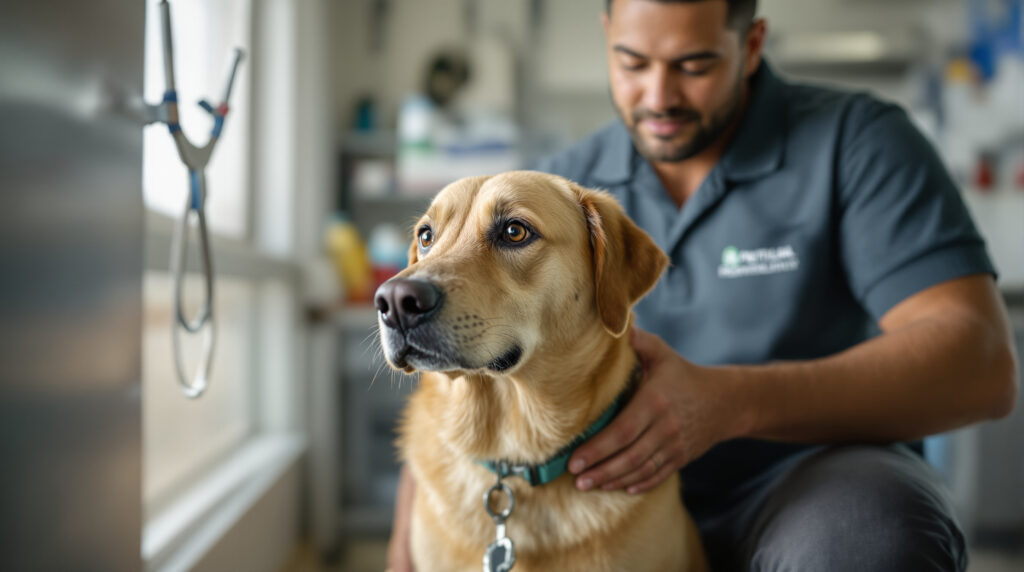
Are vets in Mexico good? Yes, many veterinarians in Tijuana and border-region Mexico deliver high-quality care at a fraction of U.S. costs, though you need to know how to identify reputable clinics and understand the differences in regulation, facility standards, and follow-up care. San Diego pet owners considering cross-border veterinary services should understand both the advantages and the practical steps required to ensure their pet receives safe, professional treatment.
The biggest question San Diego pet owners ask is whether Mexican vets meet the same quality and safety standards as U.S. clinics. The answer is nuanced. Mexico does not have a single unified veterinary licensing board equivalent to state boards in California, but individual states and cities maintain their own regulatory bodies and professional associations.
In Tijuana and surrounding Baja California municipalities, many veterinarians hold degrees from accredited Mexican universities with curricula comparable to U.S. programs. Some are board-certified through the Mexican College of Veterinarians (Colegio de Médicos Veterinarios de México) or hold additional certifications from international bodies. However, facility inspection standards, antibiotic protocols, and surgical equipment oversight vary more widely than in California.
The lack of mandatory continuing education requirements in some regions means that professional development is voluntary. This creates a two-tier system: top-tier clinics in Tijuana near the border often maintain U.S.-level standards to attract San Diego clients, while smaller or rural practices may operate with older equipment and less frequent training.
Cost is the primary driver for San Diego pet owners considering Tijuana veterinary care. The difference is substantial and consistent across common procedures.
| Procedure | San Diego Average | Tijuana Average | Savings |
|---|---|---|---|
| Spay (female dog, 25–50 lbs) | $800–$1,200 | $300–$500 | 60–65% |
| Neuter (male dog, 25–50 lbs) | $600–$900 | $200–$350 | 60–65% |
| Dental cleaning (with extraction) | $1,200–$2,000 | $400–$800 | 55–70% |
| Wellness exam | $150–$300 | $40–$80 | 60–70% |
| Ultrasound | $400–$600 | $150–$300 | 50–65% |
These savings reflect lower labor costs, reduced overhead, and different supply chain pricing in Mexico. A spay that costs $1,000 in San Diego might cost $350 in Tijuana, a difference that adds up quickly for pet owners managing multiple animals or those on tight budgets.
However, savings should never be your only criterion. A cheap procedure performed by an under-trained surgeon or in a poorly equipped facility can result in infection, anesthetic complications, or incomplete treatment that costs more to fix later.
CBX Pet Care connects San Diego pet owners with trusted Tijuana veterinarians and handles all transportation and documentation.
Not all veterinary clinics in Tijuana are equal. San Diego pet owners crossing the border should use a structured evaluation process to vet their choice.
Ask the clinic for proof of the veterinarian’s professional license and degree. In Baja California, this is the Cédula Profesional (professional ID number), issued by the Mexican government. Reputable clinics display this information openly or provide it on request. Check whether the veterinarian is a member of professional associations such as the Colegio de Médicos Veterinarios de México or regional chapters like the Colegio de Veterinarios de Baja California.
Request a tour of the surgery suite, recovery area, and diagnostic equipment before committing to a procedure. Look for:
Separate from the waiting room, with sterile instruments and autoclave sterilization visible.
Modern equipment that tracks heart rate, blood pressure, and oxygen saturation during surgery.
X-ray, ultrasound, and blood lab capabilities on-site for faster results.
Clean, temperature-controlled space where pets wake up post-surgery with staff supervision.
Search Google, Yelp, and Facebook for client reviews from other San Diego pet owners. Look for patterns: positive reviews mention the veterinarian by name, describe specific procedures, and note follow-up communication. Red flags include multiple complaints about post-operative complications, poor communication, or billing surprises.
Ask the clinic directly for references from other San Diego clients. Reputable clinics maintain relationships with regular clients and are happy to provide contact information.
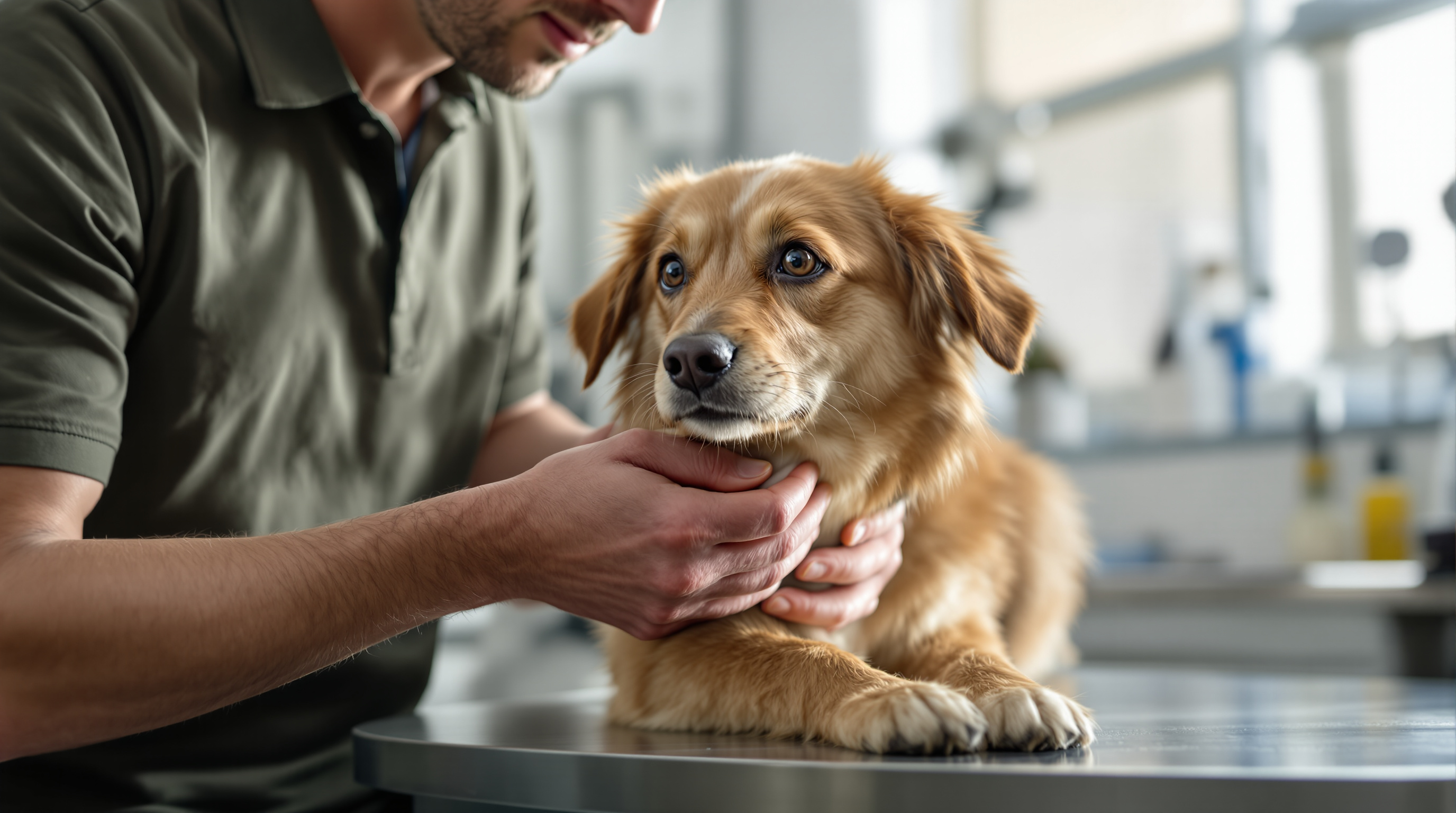
Even if you find an excellent veterinary clinic in Tijuana, the practical side of cross-border pet care presents real challenges. San Diego pet owners should understand what happens before, during, and after a procedure.
Before your pet can be seen by a Mexican veterinarian, you’ll need a current rabies vaccination certificate and a health certificate issued by a California veterinarian within the last 10 days. The Mexican clinic may require additional bloodwork if your pet is over 7 years old or has pre-existing conditions. Plan for at least one San Diego vet visit before crossing the border, this costs $100–$300 but is essential.
You’ll transport your pet from San Diego to the Tijuana clinic, typically a 20–40 minute drive from South Bay neighborhoods like San Ysidro or Chula Vista. The procedure itself (e.g., a spay) takes 1–2 hours. Most clinics require you to pick up your pet the same day or the following morning. Your pet will be groggy and need a quiet recovery space at home for 7–10 days, no running, jumping, or swimming.
This is where cross-border care gets complicated. If your pet develops a post-operative infection or complication, you have two options: return to the Tijuana clinic (another border crossing) or see a San Diego vet who may charge extra to evaluate work done outside the U.S. system. Some San Diego veterinarians are willing to provide follow-up care for patients treated in Mexico; call ahead to ask. Others refuse to take on cases where they didn’t perform the initial procedure.
The best practices: choose a Tijuana clinic that offers a post-operative guarantee (written commitment to address complications at no extra charge) and agrees to share medical records with your San Diego vet in case of emergency.
Once your pet’s procedure is complete in Tijuana, getting them back into the United States requires specific paperwork. This is non-negotiable and often overlooked by first-time cross-border pet owners.
Your Tijuana veterinarian must issue a health certificate (Certificado de Salud) confirming that your pet is healthy and free of infectious disease. This certificate is valid for 10 days and must be presented at the U.S. Customs and Border Protection (CBP) inspection station when you cross back into California. CBP officers may request proof of rabies vaccination.
If your pet is traveling by air (e.g., you’re flying back to northern California with your dog), you’ll need additional USDA-APHIS import forms and possibly a health certificate issued specifically for air transport. These requirements vary based on the airline and destination state.
Learn more about pet documents for border crossing.
Certain procedures and conditions drive San Diego pet owners to seek Mexican veterinary care more than others. Understanding which services deliver the best value and safety is important.
This is the most common reason San Diego pet owners cross the border. Spays and neuters are routine procedures with high safety margins if performed by a trained surgeon in a clean facility. Many Tijuana clinics perform dozens of these surgeries monthly and have refined their protocols. Cost savings of $500+ per pet make this especially attractive for multi-pet households.
Dental work in Tijuana can save $1,000+ compared to San Diego prices. However, quality varies widely. Request X-rays before and after to confirm the work was done thoroughly. Dental infections after a poorly performed cleaning are expensive to treat.
Aging dogs often need preventive care, bloodwork, ultrasound, joint injections, that San Diego owners find expensive. Tijuana clinics offer senior pet packages at lower cost, allowing owners to provide better care without financial strain.
Some Tijuana clinics now offer advanced procedures like arthroscopy, fracture repair, and soft tissue surgery. These are higher-risk procedures, choose a clinic with a surgeon who specializes in your pet’s condition and has demonstrable experience.
The best evidence for quality comes from San Diego pet owners who have used cross-border veterinary services. Here’s what they consistently report:
Friendly, unhurried consultations; newer equipment in top clinics; clear pre- and post-op instructions; willingness to communicate by phone or WhatsApp; surgical results comparable to U.S. clinics.
Language barriers at some clinics; limited post-op follow-up options; difficulty reaching clinic after hours; some clinics reluctant to share records with U.S. vets; complications harder to resolve if you can’t return to Tijuana quickly.
On Google and Yelp, well-regarded Tijuana clinics near the border average 4.5–4.8 stars from dozens of reviews. Look for clinics with reviews specifically mentioning San Diego pet owners and cross-border follow-up arrangements.
The most satisfied clients are those who: (1) visited in person before booking a major procedure, (2) used a pet concierge service like CBX Pet Care to handle transportation and documentation, and (3) had a backup plan for post-operative follow-up in San Diego.
Managing cross-border pet healthcare on your own is possible but logistically demanding. Some San Diego pet owners hire a pet concierge service to handle scheduling, transportation, documentation, and follow-up coordination.
CBX Pet Care, a San Diego-based pet concierge, offers end-to-end cross-border veterinary coordination. The service includes: identifying trusted clinics based on your pet’s needs, arranging transportation from San Ysidro, Chula Vista, or other South Bay neighborhoods, managing pre-procedure bloodwork in California, handling all import documentation, and coordinating post-operative follow-up with a local San Diego veterinarian if complications arise.
Concierge services typically charge $150–$400 for coordination depending on the complexity of the procedure. For a spay that saves you $600, the concierge fee can feel expensive, but the value is real if it eliminates stress, prevents miscommunication, or saves you a second border crossing due to paperwork issues.
For straightforward procedures (wellness exams, nail trims, basic vaccinations), handling the process yourself is reasonable. For major surgery, concierge services reduce risk significantly.
CBX Pet Care handles the logistics, documentation, and follow-up so you focus on your pet’s health.
San Diego pet owners often have legitimate concerns about cross-border veterinary care. Here’s how to address them.
Concern: Anesthesia Safety Modern anesthesia protocols in accredited Mexican clinics use the same drugs and monitoring equipment as U.S. clinics. The difference is that some smaller clinics rely on older, manual monitoring. Insist on electronic monitoring (pulse oximeter, blood pressure monitor, ECG) and ask what anesthetic agents they use. Isoflurane gas and propofol are gold-standard and available in Tijuana.
Concern: Antibiotic Resistance Overuse of antibiotics in Mexico is real but varies by clinic. Ask your Mexican veterinarian about their antibiotic-stewardship protocols: Do they use cultures before prescribing? Do they avoid unnecessary prophylactic antibiotics? Top clinics have written policies on this.
Concern: Record Keeping Reputable clinics maintain digital or paper records and will copy them to you or send them to your San Diego vet. This is standard practice in border-area clinics accustomed to U.S. clients. Confirm this before your appointment.
Concern: Licensing and Liability Mexican veterinarians carry professional liability insurance, though the limits are typically lower than U.S. policies. If a serious complication arises, your legal recourse in Mexico is limited. This is why post-operative follow-up and clear communication beforehand are critical.
Yes, many veterinarians in Tijuana and border-area Mexico are good, some are excellent. But “good” is not automatic. Quality depends on the individual clinic, the specific veterinarian, and the type of procedure.
Top-tier Tijuana clinics near the border, staffed by board-certified veterinarians with modern equipment and experience serving San Diego clients, deliver surgical and dental outcomes comparable to mid-range California clinics at 40–60% lower cost. Smaller or less-established clinics may cut corners on facility standards, anesthesia monitoring, or follow-up protocols.
San Diego pet owners benefit from cross-border veterinary care when they: (1) choose a clinic with verifiable credentials and positive reviews from other San Diego clients, (2) plan for all documentation and logistics, (3) arrange post-operative follow-up with a San Diego vet, and (4) understand the limits of legal recourse if complications occur.
The cost savings are real and substantial. So is the need for due diligence. Done right, cross-border veterinary care expands affordable, quality options for San Diego pet owners.
Contact CBX Pet Care today for a free consultation about cross-border veterinary options for your San Diego pet.
Our bilingual team is ready to help. Get a free estimate for veterinary care in Tijuana.
