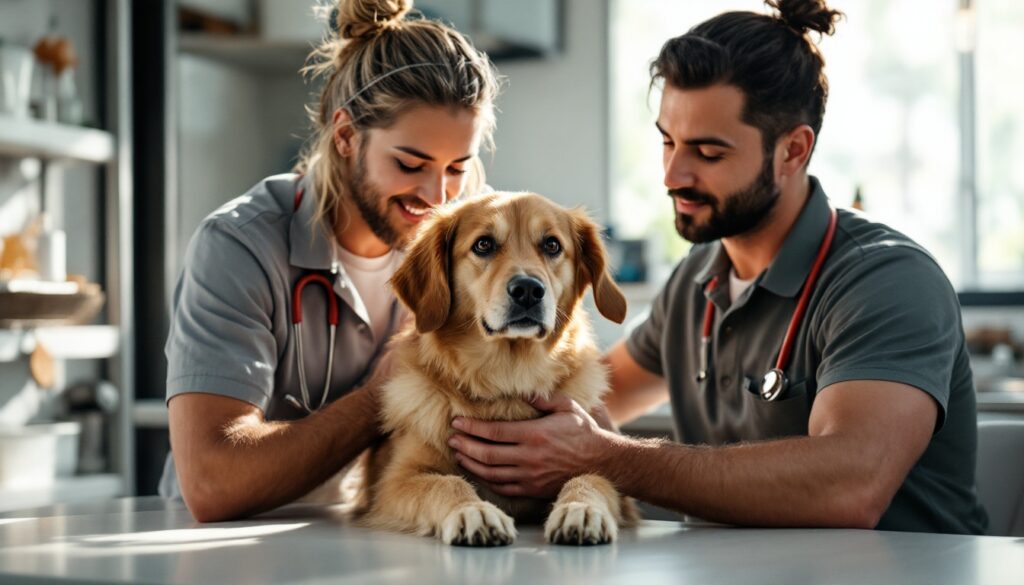
what do I need to fly with my dog to Mexico CBX — Flying with your dog to Mexico requires a USDA health certificate, current rabies vaccination, proof of microchipping, and Mexican import permits—all typically completed 10–14 days before departure. CBX Pet Care specializes in cross-border pet travel and handles these documents for San Diego and Tijuana pet owners, ensuring your dog arrives safely and legally.
Many pet owners assume air travel with dogs is straightforward, but Mexico has strict entry rules. This guide breaks down every document, timeline, and process so your dog flies smoothly from San Diego to Mexican destinations like Cancún, Puerto Vallarta, or Mexico City.
The USDA health certificate is the most critical document for flying your dog to Mexico. This is not a generic rabies certificate—it’s a specific veterinary form issued by a USDA-accredited veterinarian within 10 days of travel.
The certificate confirms your dog is healthy, parasite-free, and safe to cross the border. Mexican customs officials will not admit your dog without it. Many San Diego veterinary clinics issue these certificates, but you need to book an appointment early—demand is high during peak travel seasons (November through March).
The certificate expires 10 days after issue, so timing is critical. If you’re flying on day 11, you’ll need a new certificate. Budget $100–$150 for this in the San Diego area.
Not every vet clinic can issue USDA health certificates—the veterinarian must be USDA-accredited. Call ahead to confirm. Many South Bay and Midtown San Diego clinics offer this service, but booking 2–3 weeks in advance is wise during busy seasons.
If you’re visiting Tijuana before flying, CBX Pet Care can connect you with accredited vets on both sides of the border who understand Mexican entry requirements and speak your language.
Mexico requires proof of rabies vaccination no older than one year from the travel date. Your dog must have received this shot at least 30 days before departure—a vaccine given the day before travel won’t satisfy Mexican customs.
Puppies under 16 weeks old cannot be vaccinated yet. If you’re flying a young puppy to Mexico, wait until it’s 16 weeks old, vaccinated, and has completed its rabies booster (typically 3–4 weeks after the first shot).
If your dog has a documented history of rabies vaccination, some Mexican states accept a rabies titer test instead of a new booster. This blood test confirms immunity without re-vaccination. The test costs $150–$250 but is valuable if your dog has vaccine sensitivities or a history of adverse reactions.
However, not all Mexican entry points accept titers—some require the physical booster regardless. Check with your destination state or consulate before relying on titer results.
A microchip is legally required for dogs entering Mexico and is essential for international pet travel. The chip must be ISO 11784/11785 compliant (the global standard) and registered with a database accessible in Mexico—typically HomeAgain, AKC Reunite, or PetLink.
The microchip number must appear on your USDA health certificate. If your dog doesn’t have a chip, get one before the health certificate appointment—the vet will verify the chip number during the exam.
Microchipping costs $25–$60 and takes 5 minutes. Many San Diego clinics offer walk-in microchipping or can do it during your health certificate exam.
The chip is useless if it’s not registered. After implantation, register your dog’s unique ID number on the chip manufacturer’s website. Include your phone number, email, and an emergency contact in Mexico if possible. This registration should be updated annually or whenever you move.
In addition to the USDA health certificate, Mexico’s SENASICA (National Service for Agri-Food Health, Safety and Quality) may require an import permit depending on your entry point and destination. This is separate from the health certificate and must be requested before travel.
Some entry points (like Tijuana to Baja California) have streamlined processes for pets, while others (like air travel to Mexico City) require formal import permits that take 5–10 business days to process.
CBX Pet Care can guide you through the SENASICA process, especially if you’re traveling from San Diego to a Mexican city beyond Baja California.
CBX Pet Care handles all USDA certificates, permits, and cross-border logistics
Beyond the rabies vaccination, Mexico may request proof of protection against common canine diseases. Your dog’s complete vaccination history should include shots for distemper, parvovirus, and bordetella (kennel cough).
Bring original vaccination records, not digital copies alone. Some Mexican border officials require physical documentation. If your dog’s vaccinations are split between multiple clinics, gather records from all of them before your travel date.
If you don’t have complete vaccination history (e.g., you adopted your dog and records are missing), your vet can administer a fresh round of vaccinations and issue new certificates. Allow 2–3 weeks for rabies immunity to build, so plan ahead.
Some Mexican states require de-worming documentation as well. Ask your veterinarian about anti-parasitic treatment 10–14 days before travel.
In addition to Mexican regulations, the airline you fly with has its own pet policies. Most U.S. airlines flying to Mexico (Aeromexico, LATAM, Southwest, United) require a health certificate dated within 10 days of departure and valid identification (your dog’s microchip).
Some airlines charge pet fees ($50–$150 each way) and limit dogs per flight. Check your airline’s specific pet policy 6–8 weeks before travel to ensure your booking accommodates your dog.
International flights are stressful for dogs. Consider calming supplements or a vet-prescribed mild sedative (only with veterinary approval) to reduce anxiety during flight.
Successful pet air travel requires careful scheduling. Here’s a realistic timeline for flying from San Diego to Mexico:

Pet owners often make preventable errors that delay travel or create customs problems. Here are the most common mistakes and how to avoid them:
A USDA health certificate is valid for only 10 days. If you get one 3 weeks before your flight, it will expire. Schedule your vet appointment for 7–10 days before departure, not earlier.
A basic rabies tag or clinic record is not the same as a USDA health certificate. You need both: proof of rabies vaccination (in your dog’s records) AND a signed USDA certificate that confirms your dog passed a full health exam.
A microchip without registration is worthless. If your dog is lost in Mexico, the chip is useless unless it’s registered and the registry is accessible across borders. Always register your dog’s chip immediately after implantation.
Each airline has different pet policies. One airline might allow dogs in-cabin for free; another might require cargo shipping for large dogs. Confirm your airline’s rules 6–8 weeks in advance.
Mexican customs officials want original paperwork, not photocopies or digital photos. Bring physical copies of your USDA health certificate, vaccination records, and SENASICA permit. Laminate them to protect them during travel.
When you arrive in Mexico with your dog, expect a customs inspection. At major airports like Cancún or Mexico City, there’s a dedicated pet inspection area. Have your documents ready and your dog calm (a trained handler can help here).
Customs agents will verify:
The inspection usually takes 10–15 minutes. If all documents are in order, your dog will be cleared for entry. If documents are missing, incomplete, or expired, Mexican customs can deny entry and require your dog to return to the United States on the next available flight—at your expense.
Flying back to San Diego or the U.S. from Mexico with your dog requires similar documentation. The USDA health certificate you received in San Diego is for Mexico entry only—you’ll need a fresh Mexican health certificate (issued in Mexico by a USDA-accredited vet) to re-enter the United States.
U.S. Customs and Border Protection has specific re-entry rules: your dog must have a health certificate from a Mexican vet dated within 10 days of your return flight. This adds another vet appointment and cost ($100–$150) to your trip.
Planning to stay in Mexico longer than 10 days? Budget for two health certificate appointments—one on arrival (issued in the U.S.) and one near departure (issued in Mexico).
The U.S. is strict about rabies. Your dog must have proof of vaccination, and the shot must be at least 30 days old. If you got a fresh rabies booster in San Diego before flying to Mexico, you’re covered for the return. If your dog’s rabies expires during your Mexico stay, you’ll need a booster from a Mexican vet before re-entering the U.S.
Here’s a realistic cost estimate for flying one dog from San Diego to a Mexican destination:
Total estimated cost: $405–$850 in veterinary and airline fees alone. This doesn’t include travel crate, supplies, or your own flights. Budget accordingly, especially if you’re traveling with multiple dogs.
CBX Pet Care can help coordinate appointments and documentation across San Diego and Tijuana, potentially saving time and stress compared to managing all appointments yourself.
Flying with your dog is stressful for the animal. Consider these health precautions:
Pet travel insurance (typically $50–$200 for a one-time trip) can cover veterinary emergencies during international travel. If your dog requires emergency care in Mexico, having coverage prevents a $1,000+ vet bill from derailing your trip.
For senior dogs or dogs with health conditions, consult your vet about the risks of air travel. Some dogs with heart disease, breathing problems, or anxiety disorders should not fly internationally.
Managing USDA certificates, Mexican permits, airline policies, and vaccination schedules is complex and error-prone. CBX Pet Care specializes in cross-border pet travel for San Diego and Tijuana residents, handling all documentation and coordination so you can focus on planning your trip.
From scheduling health certificate appointments with USDA-accredited vets to tracking SENASICA permits and coordinating with airlines, we ensure no document is missed or expired. Our team speaks both English and Spanish and understands the specific requirements for every Mexican state and entry point.
If you’re flying from San Ysidro, Chula Vista, or South Bay to Mexico with your dog, or if you’re moving a dog from Tijuana to San Diego, we handle the travel logistics so your dog arrives safely and legally.
Let CBX Pet Care handle all travel requirements and documentation
Plan 8–10 weeks in advance. You’ll need time to schedule a USDA health certificate appointment (which requires a 10-day window before travel), process any SENASICA permits (5–10 business days), and ensure your dog’s vaccinations are current. Booking your airline pet reservation early also secures space, as some flights limit the number of pets allowed.
You’ll need to get a new one. A USDA health certificate is valid for only 10 days, so if you obtain it too early, it will expire before you travel. Schedule your appointment for 7–10 days before your departure date. If your travel plans change and your certificate expires, you must return to the vet for a new exam and certificate ($100–$150 again).
Only if your puppy is at least 16 weeks old, fully vaccinated against rabies (with the shot given at least 30 days before travel), and has completed all recommended booster shots. Puppies younger than 16 weeks cannot be rabies-vaccinated and cannot enter Mexico. Many airlines also have minimum-age policies (typically 16 weeks) for international pet travel.
It depends on your destination and entry point. Flying into Baja California or Tijuana may not require a SENASICA permit, but flying to Mexico City, Cancún, or other states likely will. Check with the Mexican consulate or SENASICA office in your region 8–10 weeks before travel. CBX Pet Care can help determine whether you need a permit based on your specific destination.
Mexican customs can deny entry. Your dog would be required to return to the United States on the next available flight at your expense—often $300–$500 extra. Missing or expired documents are common reasons for denial. This is why triple-checking documents 3–5 days before travel is critical.
Budget $400–$900 in veterinary, permits, and airline fees for one dog traveling round-trip. This includes USDA health certificates ($100–$150 each way), rabies booster ($30–$60), microchip ($25–$60), de-worming ($30–$80), SENASICA permit ($20–$50), and airline pet fees ($50–$150 each way). Additional costs may include pet travel insurance, crate, and supplies.
No. Mexican customs officials require the original signed USDA health certificate. Bring the physical document, not a photograph or PDF. Laminate it if possible to protect it during travel. Make one copy to keep in your records at home in case the original is lost.
References: Information on USDA health certificates and international pet travel is based on guidelines from the USDA Animal and Plant Health Inspection Service (APHIS) and the Mexican Ministry of Agriculture’s SENASICA regulations.
Our bilingual team is ready to help. Get a free estimate for veterinary care in Tijuana.
